Get Full Government Meeting Transcripts, Videos, & Alerts Forever!
Get email alerts on the Transportation topic
No spam. Unsubscribe anytime.
Select Board hears split advisory committee on Bourne rail‑trail design, $10.1M phase‑one estimate raises concerns
Summary
Bourne advisory committee reported design objections and community concerns for Phase 1 of the proposed Bourne Rail Trail (half‑mile segment from the canal) with an estimated Phase 1 cost of $10.1 million; committee members split over whether to resume design reviews with MassDOT or pause and reconsider larger alternatives including building a new inland rail spur.
The Select Board on June 9 received an extensive update on the proposed Bourne Rail Trail extension of the Shining Sea Bikeway that highlighted sharp differences of view over how to proceed.
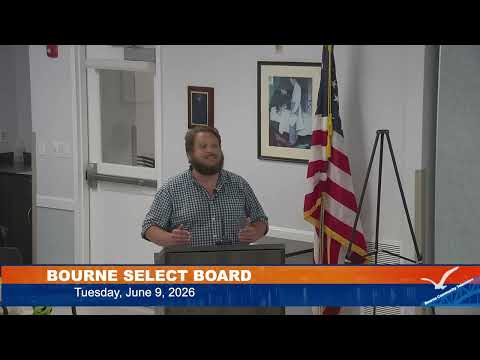
Ken Chutton Picasset, chair of the town administrators’ bicycle‑pedestrian advisory committee and president of the Friends of the Bourne Rail Trail, said Phase 1 — roughly the first half‑mile from the canal — faces public design objections focused on parking and terminus impacts and carries an estimated price tag of $10.1 million. "Extrapolating from that, the cost for the entire trail, if built rail‑with‑trail, would be north of $100 million," he warned.
Committee members described four core issues: whether to continue Phase‑1 design work with MassDOT despite community concerns; whether phases 3 and 4 should be removed from the transportation improvement program; whether to study the feasibility of a new inland rail alignment to serve military and Upper Cape freight needs; and whether to reconstitute the advisory body into a broader multimodal town committee.
Ken summarized the operational tradeoffs: some committee members fear continuing to invest in phase‑1 design would provide "ammunition" to rail proponents because track upgrades paid for by the project also improve the rail line; others want to resume dialogue with MassDOT to resolve design concerns. He said the rail line currently supports a small set of uses (infrequent construction debris trains, occasional tourist trains) and that a rail‑with‑trail approach would likely require fences, new bridges and extensive takings in sensitive coastal areas.
Select Board members and public attendees urged the town to preserve a seat at planning tables while carefully weighing cost and environmental impacts. John York urged the creation of a local, sustained committee to cover bike‑pedestrian issues beyond the rail trail — including safe‑routes‑to‑school needs and access around local schools and recreation facilities.
The board did not take a binding vote on project design at this meeting but heard a clear recommendation from the advisory committee to clarify town policy and next steps; staff and the committee will return with proposed options for the Select Board's further direction.