Get Full Government Meeting Transcripts, Videos, & Alerts Forever!
Get email alerts on the Municipal Finance topic
No spam. Unsubscribe anytime.
Finance director: town has about $8 million in unpaid taxes; collection plan restarted
Summary
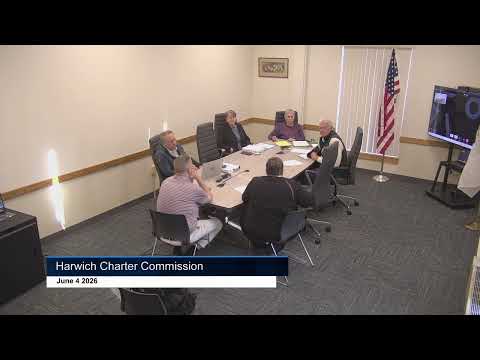
Finance Director Jen Menz told the Harwich Charter Commission that roughly $8 million in outstanding tax receivables—largely from fiscal year 2022—are being pursued through a restarted tax‑title process, demand letters, and targeted collections such as bank escrow notices and administrative holds on permits and privileges.
Finance Director Jen Menz told the Harwich Charter Commission that the town has roughly $8 million in outstanding tax receivables, mostly traceable to fiscal year 2022, and that collecting that amount has been a top priority since she took office.
"There is currently on the books roughly $8 million in outstanding receivables, and that's largely traceable to fiscal year 22," Menz said, adding that the tax‑title process has been reinitiated and that demand letters have already gone out. "It is not sitting on a shelf, and I want you to know all of that on the record." Menz said some items have already been collected and that additional recoveries will be reflected in next year’s free‑cash certification.
Menz described practical steps the finance office is using to accelerate collections, including sending letters to banks that often triggers mortgage escrow payments to satisfy municipal liens. "All you have to do is send a letter and place a lien," she said, arguing that banks will often force payment from escrow. Commissioners said that approach—along with administrative holds on municipal privileges like building permits, beach stickers and dock slips—can prompt quick payments from delinquent accounts.
She also noted a backlog of taxpayer refund claims that must be reconciled before some tax‑title collections can be finalized. That interdependency, she said, makes the work more complicated but not insurmountable: "They're intertwined so much that they have to unwind them together. So the direction they're under right now is process every tax title that has no issue. Get them done."
On Article 39—an earlier town meeting appropriation of about $500,000 for research into properties with unknown owners—Menz said a significant portion of that appropriation has already been spent and that she will include a detailed update in the selectboard packet explaining how the funds were used.
Commissioners asked whether the town makes accommodations for taxpayers who are unable to pay a large lump sum. Menz said payment plans and individual accommodations are available: "I would certainly speak with anyone and obviously we would make any accommodation." Several commissioners emphasized that outreach and communication with taxpayers has been inconsistent in the past and praised the finance office for re‑establishing a proactive collection program.
Menz said the revived efforts have already produced revenue beyond expectations in tax titles, penalties and interest, and she projected the town’s free cash position should improve as collections continue.
The commission discussed operational and policy changes—such as withholding permits and other privileges for delinquent taxpayers—as effective levers to encourage payment, while also acknowledging the need for sensitivity in a small town where aggressive public shaming previously prompted backlash.
The commission took no formal action on tax collection policy that night; the meeting was a discussion and update from staff. The group approved the minutes later in the meeting and adjourned.