Get Full Government Meeting Transcripts, Videos, & Alerts Forever!
Get email alerts on the CDBG Contracts topic
No spam. Unsubscribe anytime.
Irondequoit board reviews CDBG contracts funding senior supports, housing counseling and food aid
Summary
The town reviewed Community Development Block Grant contracts for Aug. 1, 2026–July 31, 2027: $27,000 for Catholic Family and Community Services (elder support), $27,000 for the Housing Council at PathStone (housing counseling), $25,000 for the Irondequoit Community Cupboard (food assistance), and two Lifespan contracts totaling $45,000 for senior services and transportation.
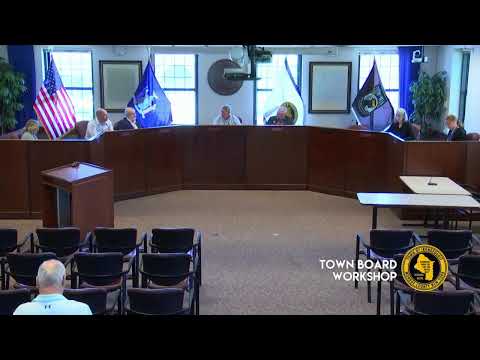
Irondequoit town leaders on June 9 reviewed several Community Development Block Grant (CDBG) contracts that would fund social services in the 2026 program year running Aug. 1, 2026–July 31, 2027.
Diane (controller/staff) introduced the contracts, saying they were approved as part of the town’s 2026 CDBG plan and now require formal authorization. The contracts include: $27,000 with Catholic Family and Community Services for non‑medical home support services (transportation, light chores) for elderly residents; $27,000 with the Housing Council at PathStone for housing counseling and foreclosure‑prevention assistance for low‑ and moderate‑income households; $25,000 with the Irondequoit Community Cupboard to purchase healthy food for residents facing food insecurity; and two agreements with Lifespan of Greater Rochester — $15,000 for the Home Safe Home program (falls prevention and minor home modifications for residents 62 and over or with disabilities) and $30,000 for transportation/mobility management services for residents 60 and over.
“These are all part of our CDBG plan for 2026,” Diane said, adding that the town is required by HUD to receive monthly reports from contractors on the number of residents served.
Board members asked about reporting and beneficiary counts; staff confirmed the town receives required HUD reports documenting how many residents are helped by each provider. The contracts were presented as routine program authorizations that implement services already included in the town’s CDBG allocation.
Board action on each contract was listed on the workshop agenda for approval; staff noted the awards reflect the amounts approved during the prior CDBG planning cycle.