Get Full Government Meeting Transcripts, Videos, & Alerts Forever!
Get email alerts on the Parking Enforcement topic
No spam. Unsubscribe anytime.
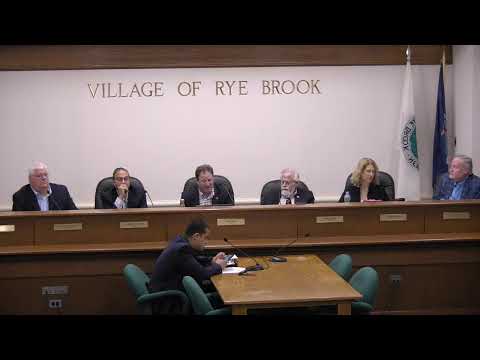
Rye Brook approves Passport handhelds for parking citations; board hears details on costs and workflow
Summary
Trustees approved a one-year agreement with Passport to buy three handheld Zebra units and related services to print standardized parking tickets and upload citation data to an online system; cost details and collection responsibilities were explained during the meeting.
Rye Brook — The Village of Rye Brook Board of Trustees on June 9 approved a one-year agreement with Passport to provide handheld parking-citation devices and citation-tracking services to the village police.
Staff read the proposed agreement, which covers June 1, 2026, through May 31, 2027, and described purchase and recurring costs: three Zebra handheld units and printers for $5,250, a one-time programming fee of $750, shipping of $28, a managed-services fee of $102 per month and a data-plan cost of $105 per month. Staff and Eric explained the system prints standardized tickets, uploads citation data to Passport’s database and transmits records to the court; Passport will send follow-up notices and the town remains responsible for collections.
During discussion, trustees asked about device charging needs and whether the equipment can reduce handwritten-ticket errors that previously led to dismissals in court. Eric told the board the handhelds include barcode readers, print formatted tickets, and are expected to reduce processing errors and lost revenue from illegible handwritten tickets.
Trustees approved the agreement subject to the standard authorization for the mayor and administrator to sign documents. Staff said the arrangement is not a long-term lock-in — the proposal is for one year — and noted other nearby municipalities already use similar systems.
Next steps: Purchase and deployment of the units and integration with the court and town collection procedures.