Get Full Government Meeting Transcripts, Videos, & Alerts Forever!
Get email alerts on the Land Use topic
No spam. Unsubscribe anytime.
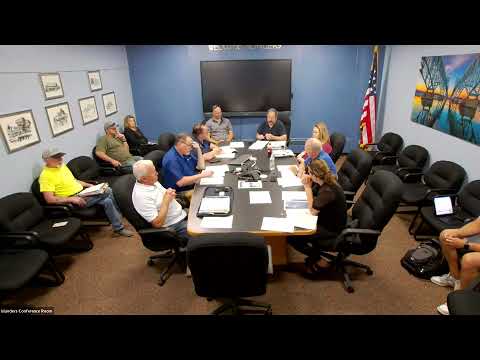
Planning board approves special-use permit allowing six horses on joined Grand Island parcels
Summary
The Grand Island Planning Board approved a special-use permit to keep six horses on a joined 10–12 acre property after reviewing setbacks, grazing acreage and manure management; the board directed staff to confirm building permits and site-plan details with the building inspector.
The Grand Island Planning Board on Wednesday approved a special-use permit (4410) that will allow the owner of two joined parcels to keep up to six horses on the property.
The applicant told the board the property had an Erie County permit that allowed up to nine animals because the combined land is roughly 10–12 acres. The town had previously issued a different special‑use permit listing a smaller number of animals; the applicant said confusion over county versus town permitting led to a lapse and prompted the current reapplication. "They're not always going to be there. They get sent to trainers every once in a while," the applicant said, describing how animals will be rotated offsite.
Board members asked for details about grazing acreage, manure handling and constructions on the site. Members noted the typical town requirement of one acre for the first horse and one additional acre for each additional animal in this zoning context; the applicant estimated about 2,000–4,000 square feet of cleared paddock area immediately behind the house and said manure will be stored in a designated back-corner area shown on the site plan. The applicant also confirmed an existing building permit for a rear addition and said the porch bump-out predated recent permits.
Casey, the town building inspector, was asked to follow up on site‑plan specifics and to confirm whether the deck and other features were properly permitted. The board conditioned the approval on compliance with setbacks and noncommercial use and directed the applicant to coordinate any required plan amendments with county permitting. A voice vote approved the motion to allow six animals; the board told the applicant the permit will require annual renewal and that the applicant should follow up with staff about paperwork.
The board recorded no formal roll-call vote in the transcript beyond a unanimous voice vote and instructed staff to forward the decision to the town clerk and the town board for final administrative processing.