Get Full Government Meeting Transcripts, Videos, & Alerts Forever!
Get email alerts on the Property Tax topic
No spam. Unsubscribe anytime.
City officials and assessors outline notice changes and appeal deadlines at taxpayer bill‑of‑rights hearing
Summary
Chief assessor Suzanne Widenhouse summarized major changes to the notice of assessment under HB 566 (45‑day appeal deadline from mailing, no longer showing tax estimate on the back of the notice, new QR code linking to tax estimator and frozen homestead data). Residents asked about timing of mailings and stormwater charges; city clarified millage remains unchanged.
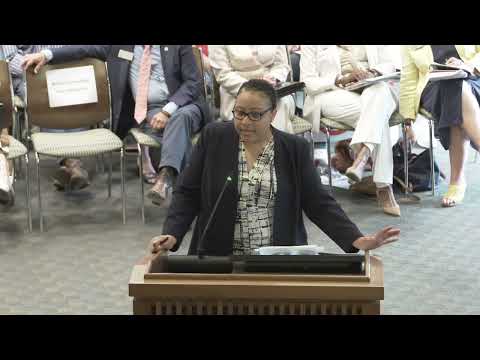
City officials held the final required taxpayer bill‑of‑rights hearing for the FY27 budget and the 2026 digest. City Attorney Clifton Faye opened the hearing and noted the statutory requirement; Finance Director Angelica Alexander and Chief Tax Assessor Suzanne Widenhouse walked the council and the public through changes to the notice of assessment that stem from recent state law.
“There's no millage rate increase that has been proposed in the mayor's budget,” Alexander said, emphasizing that the millage rates for Urban Service Districts 1, 2 and 4 remain as adopted. Chief Assessor Suzanne Widenhouse explained the notice changes, including a 45‑day appeal deadline from the date of mailing; the removal of an estimated tax line on the back of the notice; new reason codes for why a property is receiving the notice; and an added QR code enabling taxpayers to see frozen homestead amounts and use a tax estimator online. “If there is no change in your value, there is no change in your taxes,” Widenhouse said.
Public commenters pressed for more transparency and asked when notices would reach the printer; Widenhouse said the city was “danger close” to printing and that staff were working with their vendor to ensure accurate presentation. A number of residents also raised concerns about stormwater charges for residents on septic systems and transparency around economic development/discretionary funds; deputy city manager clarified that the millage on the city tax bill funds stormwater service while sewer is billed through Columbus Water Works.
The hearing concluded with the council noting that the millage ordinance will return for its formal readings and vote, and staff pledged further outreach and posting of maps and details about urban service and business improvement districts in advance of future votes.