Get Full Government Meeting Transcripts, Videos, & Alerts Forever!
Get email alerts on the Oversight Records Access topic
No spam. Unsubscribe anytime.
Oversight staff press for a memorandum of understanding to speed investigations and secure records from the City Justice Center
Summary
Staff for the civilian oversight office said investigators still face delays obtaining policies, medical records and video from the City Justice Center and proposed a memorandum of understanding (MOU) to formalize cooperation and speed investigative work; staff also described using consent‑to‑engage letters to improve interview access.
Oversight staff told the board that while investigator access to detainees has improved, delays obtaining documentary evidence — policies, medical reports, video and intake forms — hinder thorough complaint investigations and that a memorandum of understanding (MOU) with the City Justice Center could help.
Marissa, a staff member in the oversight office, said direct outreach and consent‑to‑engage letters to attorneys have improved interview turnaround but that some records remain difficult to obtain. "The more they see us, the more...comfortable they get with us," Marissa said, describing how investigators accompanied by a letter have been able to interview detainees more quickly.
Why it matters: staff said CJC policies that investigators once accessed online are no longer publicly available, forcing investigators to request documents from the deputy commissioner and causing delays. Investigators described the set of records they commonly request for a full review: redacted medical reports, video footage, telephone logs, JMS (jail management system) entries, staff training records and relevant policy documents. One investigator said intake forms are technically police records in some cases, complicating access to the medical intake data investigators want to review.
Staff described a draft MOU they will send to Commissioner Haywood and the Department of Public Safety to formalize investigative cooperation, secure timely access to records, and establish a communication chain when serious incidents occur. The presenter said the MOU is intended to require cooperation from city employees and set processes for transferring case information to oversight investigators.
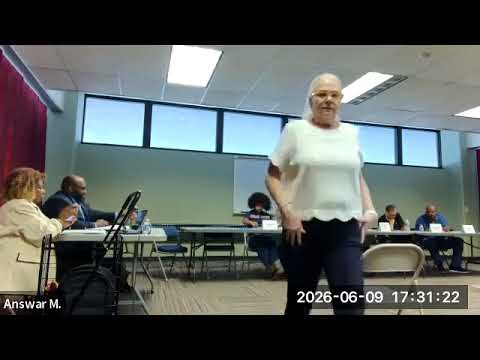
Board members also discussed administrative closures for older complaints when complainants cannot be contacted; staff said closed files remain on record and can be reopened if new information emerges. Kenneka Harper identified herself during the meeting and reported audio problems: "I can't hear Calani's responses," she said, prompting staff to clarify the meeting was informational and that legal or sensitive questions may require separate closed sessions.
No vote was taken; the meeting was informational because the board lacked a quorum. Staff said the next steps include sending the MOU draft to the commissioner for review, continuing to use consent letters to secure interviews, and hiring a re‑entry coordinator who will also help compile program outcome data and support public reporting.