Get Full Government Meeting Transcripts, Videos, & Alerts Forever!
Get email alerts on the Alternative Education topic
No spam. Unsubscribe anytime.
Chariho presents Kala alternative-learning redesign, seeks state recognition for alternative measures
Summary
Director Brian Tetro outlined the Alternative Learning Academy's redesign, credit-recovery micro-credentialing and a plan to form a Rhode Island consortium to push for alternative-school accountability metrics and legislation.
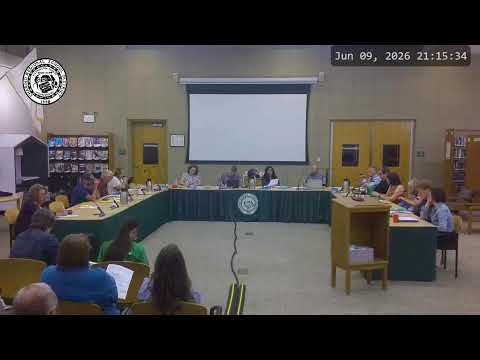
District Director Brian Tetro presented the Comprehensive School Improvement Plan for the Chariho Alternative Learning Academy (Kala), describing program growth, a competency-based micro-credentialing approach for credit recovery, and an ongoing effort to secure alternative-accountability measures for specialized schools.
"Most importantly, our success depends on relationship building and re-engaging students in learning," Tetro told the committee. He said Kala had 22 graduates this year, the highest number to date, and outlined two distinct programs within a single building: an alternative learning program for grades 7-12 and a clinical day K-12 program for intensive IEP students.
Tetro described work with national partners (Education Northwest and the National Alternative Education Association), a pending nonprofit consortium to advocate for alternative measures in Rhode Island, and grant funding to support redesign efforts. He said the district learned from models in other states (Colorado) and plans a kickoff meeting Oct. 27, 2026.
Committee members asked questions about measurement and how alternative programs are accounted for in statewide ratings; Tetro said current accountability systems are built for traditional schools and do not reflect alternative programs' outcomes, and that the consortium aims to develop fairer measures.
What happens next: The district will continue redesign and outreach activities, pursue grant-funded work with Education Northwest and the newly forming Rhode Island consortium of alternative programs, and host a kickoff meeting in October to share findings and advocate for policy change.