Get Full Government Meeting Transcripts, Videos, & Alerts Forever!
Get email alerts on the Energy Efficiency topic
No spam. Unsubscribe anytime.
Board hears $3.5 million energy‑efficiency package; members ask how county will pay for it
Summary
A McClure representative presented a $3.5 million energy‑efficiency and modernization project for Essex County buildings, claiming $1.15 million in guaranteed energy savings over 20 years; board members pressed for warranty details and a financing plan and agreed to convene financial advisors to explore options.
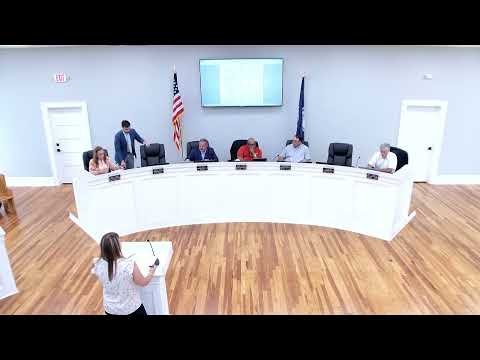
A representative of McClure presented the final design and financials for an energy‑efficiency and modernization project for Essex County at the board's June 9 work session, saying the package would cover HVAC, electrical, fire alarms, building envelope and security upgrades across county facilities.
The presenter said the total project investment is "3.5 million rounding up," and described guaranteed energy savings of "$1.15 million" over 20 years, leaving a net cost of about $2.35 million to the county. The firm proposed a design‑build approach, a five‑to‑six‑month construction window and ongoing measurement and verification of savings.
Board members immediately pressed on details that would affect the county's finances. Supervisor McGrder asked about warranty and maintenance: "What happens if a light goes out?" the supervisor asked, and the presenter replied that lighting typically includes a five‑year manufacturer limited warranty and that the project carries a one‑year parts and labor construction warranty. The presenter added that equipment becomes the county's asset and that following manufacturer maintenance recommendations preserves the guaranteed savings.
Members also focused on how and when the county would pay. The presenter said invoices are due 30 days after project completion, which—given the anticipated construction window—could put the bulk of the bill into the next fiscal year unless the county finances the work. Supervisor John and others said they want Davenport, the county's financial advisor, to model options including using reserves, debt financing, or leveraging the guaranteed savings to support financing.
Board members discussed possible coordination with school projects that McClure is also working on; the presenter said overlap could produce economies of scale. Board members said they will ask staff to compile a complete list of capital projects and bring Davenport back for a dedicated finance work session to explore tradeoffs, timing and potential grants or rebates.
What happens next: staff will assemble a list of capital needs and schedule a work session with Davenport to evaluate financing scenarios and timing for this project and other county capital needs.