Get Full Government Meeting Transcripts, Videos, & Alerts Forever!
Get email alerts on the Pickleball topic
No spam. Unsubscribe anytime.
Players press commission for reserved pickleball courts and clearer reservation alerts; commissioners flag equity and staffing concerns
Summary
A public commenter asked that at least four pickleball courts be held daily for local players, asked for clearer reservation alerts and stricter no-food/drink rules; commissioners discussed rental fees, first-come-first-serve usage versus reservations and staffing limits for maintenance.
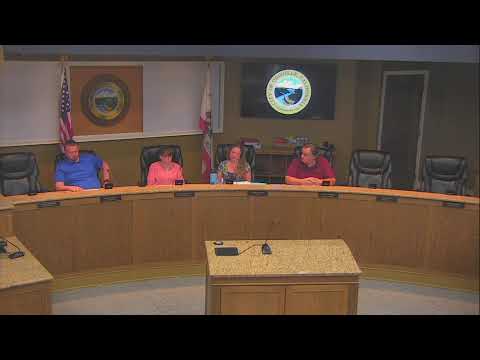
During public comment at the June 9 Oroville Parks Commission meeting, a resident representing local pickleball players urged the commission and staff to keep at least four courts available daily for the group and to improve reservation alerts on the city website.
The commenter said a recent rental had taken four courts on one of the busiest days and left many local players unable to play. She asked the commission to "keep a minimum of four courts for us" and suggested a permanent block for Oroville Pickleball. She also asked for stricter signage and enforcement of a no-food/no-drink rule after staff reported incidents of gum, vomit and trash on courts.
Commissioners and staff responded that courts are currently first come, first serve unless reserved, and that a full eight-court rental is treated as a special-use permit for festivals or competitions. Commissioners noted the group could reserve courts to guarantee access, but also raised equity concerns about favoring one organized group over other residents. One commissioner asked staff to ensure any changes would be handled "in an equitable way."
Staff said it would check the reservation system and coordinate with community development on how alerts and reservation details are displayed, and suggested bringing reservation-time-blocks back to council for any formal change. The commission asked staff to include schedules for other parks in any future packet so members can compare usage and decide whether to amend time blocks.
No formal policy change was made at the meeting; commissioners asked staff to research options and return with data and a proposed process for future agenda consideration.