Get Full Government Meeting Transcripts, Videos, & Alerts Forever!
Get email alerts on the Juvenile Policy topic
No spam. Unsubscribe anytime.
Council delays vote on juvenile curfew after concerns over daytime restrictions and enforcement
Summary
Council discussed a proposed curfew ordinance that would apply to children under 16 and include daytime and nighttime provisions; members and residents raised worries about homeschooled children, officer discretion to determine age, and the potential disparate impact on Black and Brown youth, and the council tabled the ordinance for further review.
Millledgeville council on June 9 opened debate on Ordinance O‑2605‑17, a proposed curfew that would establish time limits for minors under 16, but tabled the ordinance after extended discussion about enforcement and community impacts.
The ordinance, read by the clerk, would add a new section (62‑20) establishing a curfew for minors under the age of 16, with multiple time windows including daytime hours on school days (8:30 a.m.–2:30 p.m.) and nighttime hours. City Attorney Mr. Jordan explained the ordinance was drafted consistent with the city charter's limitation to impose a curfew on minors under 16.
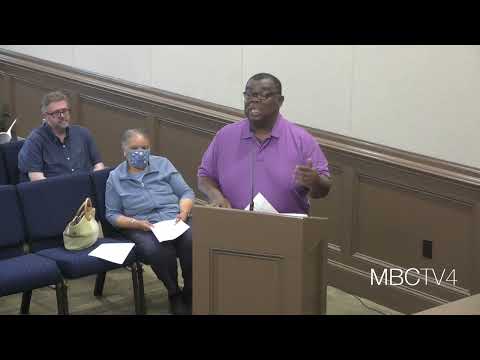
Resident Gregory Barnes and Councilmember Miss Simmons raised concerns that the daytime curfew could disproportionately affect Black and Brown teens and might result in officers stopping young people who lack identification. Mr. Jordan and other council members said officer discretion would be used to warn first and that subsequent violations could be referred to juvenile court; the draft also contemplates notifying parents and returning a child home in the first instance.
Council members and the mayor asked for clarification about applications to homeschooled children, library visits during school hours, and how the police department would implement the ordinance in practice. Several council members said they wanted the police chief to explain enforcement procedures and requested assurance the ordinance would not drive discriminatory policing. Given these unresolved questions and requests for input from the police department, council voted to table the ordinance to allow staff to return with suggested amendments and additional guidance.
The motion to table passed by roll call. Councilmembers emphasized the option to amend the ordinance and suggested outreach to families and the police chief’s input before any vote to adopt.