Get Full Government Meeting Transcripts, Videos, & Alerts Forever!
Get email alerts on the Budget topic
No spam. Unsubscribe anytime.
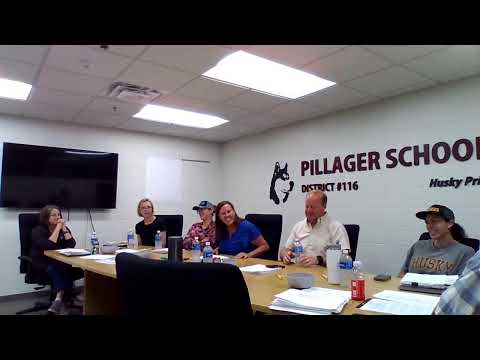
Pillager board adopts $19.1M preliminary budget, flags $400,000 wait‑room project and curriculum costs
Summary
The Pillager Public School District board approved the 2026–27 budget after a presentation that projects roughly $19.1 million in revenue and about $20.07 million in program expenditures; the budget includes one‑time items such as a $400,000 wait‑room project and about $160,000 for a new reading curriculum and assumes staffing changes tied to enrollment.
The Pillager Public School District board on Tuesday approved the preliminary 2026–27 budget after a detailed presentation from district staff outlining major adjustments and one‑time projects.
District financial staff said projected revenue for the coming fiscal year is about $19.1 million, with program expenditures estimated at about $20.07 million. That gap reflects several planned increases: a phased teacher salary roll‑up (initial 3 percent and a later 4 percent increase to cover steps and lane changes); transportation contract increases; roughly $160,000 budgeted for a new elementary reading curriculum the district intends to adopt; and a roughly $400,000 allocation for the district’s “wait room” facilities project. Staff described the presented budget as a conservative, worst‑case scenario and noted several items are one‑time expenses.
Business staff told the board the budgeting assumptions include adjusted pupil units (APU) of 1,457 and forecasted an unassigned fund balance projection near policy targets after the planned expenditures. The presentation also called out a projected temporary deficit position driven principally by the wait‑room expense, land‑purchase contingencies and the new curriculum rollout; staff emphasized the district would manage or reverse some of those costs in future years because they are not recurring.
Board members questioned some line items and asked for clarification on transportation and other large accounts; staff agreed to provide additional detail. After discussion, the board moved and passed a motion to adopt the budget for fiscal 2026–27.
What happens next: the approved budget takes effect on July 1. Staff said further updates will appear in July documents (including the 10‑year LTFM plan) as state aid and final revenue figures are confirmed.