Get Full Government Meeting Transcripts, Videos, & Alerts Forever!
Get email alerts on the Infrastructure Responsibility topic
No spam. Unsubscribe anytime.
Residents press borough over clogged culvert under railroad; engineers say NJ Transit controls access
Summary
At a New Providence meeting, residents urged immediate fixes to a clogged culvert beneath railroad tracks; engineers said the pipe lies within NJ Transit right‑of‑way, the borough has repeatedly requested cleaning, and access and work depend on Transit permission and permits.
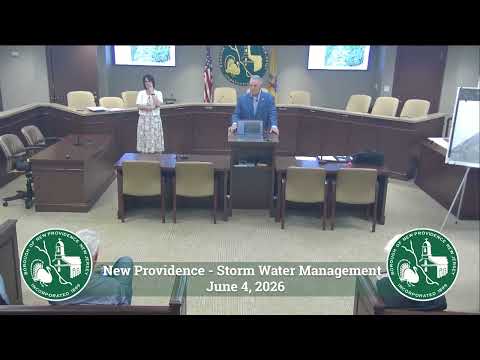
Residents at a June 11 New Providence meeting urged faster action on a clogged storm pipe under the railroad tracks that several people said contributes to repeated flooding. Engineers told the room the pipe sits in NJ Transit right‑of‑way and that the borough can request Transit perform maintenance but cannot unilaterally enter the right‑of‑way or compel an immediate repair.
"The borough has made an inquiry to Transit to clean it. So, we're waiting for Transit to clean that pipe," Andy Hipllet said, explaining the borough’s limited authority over track‑adjacent infrastructure. Hipllet added that Transit manages rights‑of‑way and assigns work through its own maintenance list: "Transit does the same thing. It's a much grander level. They deal with 8 million people, not 12,000."
Residents pressed whether the borough could pursue enforcement or legal action; Hipllet said the practical options are continued requests, documenting impacts through the borough action line, and asking residents to contact state legislators to escalate priority. He warned that physical work under tracks requires permits, flaggers and engineering review because an active rail line poses safety risks and liability concerns.
Engineers suggested interim steps borough officials can take: continue pressing Transit, document flooding with photos and action‑line reports so DPW can provide live video when storms occur, and explore short‑term measures elsewhere in the watershed that the borough controls (higher curbs, targeted street drainage) while Transit and state permitting are pursued.
What’s next: the borough will keep requesting Transit action, log problem locations during storms for professional evaluation, and include the culvert in the upcoming mapping and prioritization process that staff will present to the mayor and council.