Get Full Government Meeting Transcripts, Videos, & Alerts Forever!
Get email alerts on the Education Budget topic
No spam. Unsubscribe anytime.
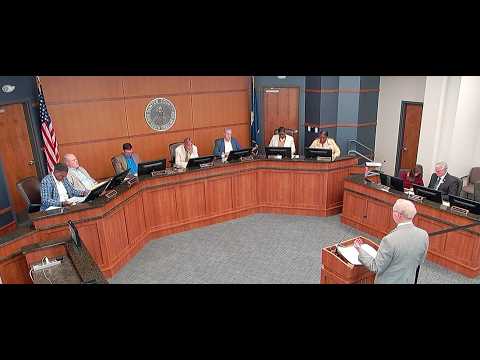
Sumter County superintendent presents FY2027 budget calling for $6.4M from reserves; council presses on summer school and new positions
Summary
Sumter County School District Superintendent Dr. Gary presented a FY2027 budget that would use about $6.4 million of the district's fund balance to cover an estimated $6.4M shortfall, funding salary increases, summer school and new administrative positions; council members pressed for detail on costs, magnet‑school plans and a proposed facility study.
Dr. Gary, superintendent of the Sumter County School District, presented the district's proposed FY2027 budget and told county council the district expects to use roughly $6.4 million of its fund balance to bridge a projected gap between revenues and expenditures.
The presentation, led by Chief Financial Officer Chica Spearman, outlined five budget priorities — facilities, transportation, student supports, instructional supports and professional development — and attributed much of the spending pressure to state‑mandated minimum salary increases and transportation costs. Spearman said the district expects to absorb about $4 million for mandated teacher salary/step increases and roughly $65,771 for bus‑driver increases, and to add several new positions, including a procurement manager and a district safety manager.
Dr. Gary said the budget includes a proposed summer‑school program budgeted at about $1 million, driven largely by transportation and hourly pay rates for staff running the program. A council member observed that the proposed administrative additions and reorganization item totaled approximately the same as the summer‑school estimate; Dr. Gary responded that summer‑school costs depend on final federal grant draws and actual student sign‑ups and said the district pays roughly $50 an hour for teachers, about $30–$35 for paraprofessionals and $60 for on‑site administrators during summer sessions.
The superintendent also described a planned facilities and demographic study — an architect/engineer‑led review the district would use to assess aging buildings, make five‑year recommendations, and identify capacity and safety issues. He said the study is intended to produce prioritized options and cost estimates before the district commits to major capital projects.
On the prospect of a magnet school at Rafting Creek, Dr. Gary recommended a parent survey to determine demand before further investment, saying, “If we create it and they won't travel to it or if it's a magnet school in name, it'll last three months.” He said the district had just approved initiating a facilities study and emphasized decisions should be data‑driven.
The presentation included a wider revenue picture: the district estimates a modest increase in some local revenues but a net state‑revenue reduction that contributes to the roughly $6.4 million shortfall. Dr. Gary said the district's current fund balance is approximately $64 million and that using reserves to cover the gap would be part of a one‑year approach while staff prioritize programs and seek efficiencies.
Council members asked for supplemental materials, including a detailed list of new academic offerings, cost breakdowns for the proposed summer school and back‑up documentation for new position requests. Dr. Gary agreed to provide those details to council.
The next procedural steps discussed included follow‑up materials for council review and the district returning for questions after providing the requested clarifications.