Get Full Government Meeting Transcripts, Videos, & Alerts Forever!
Get email alerts on the Referendum Capital topic
No spam. Unsubscribe anytime.
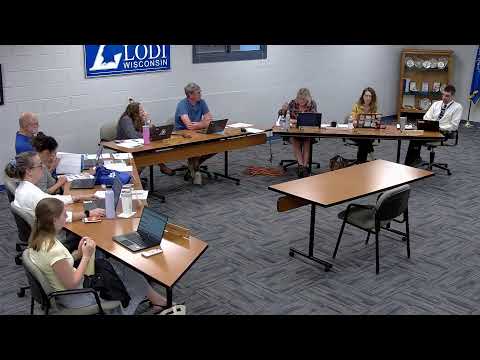
Lodi board approves $13.2M capital referendum for CTE, pool, locker rooms, practice fields and a baseball field
Summary
After months of planning and a contentious debate over priorities and tax impact, the Lodi School District board voted 4–3 to pursue a $13.2 million capital referendum that would renovate CTE space, remodel the high‑school pool and locker rooms, add two practice fields at the primary school and build a new baseball field.
The Lodi School District board narrowly approved a $13.2 million capital referendum to fund a suite of facilities projects, including an overhaul of career and technical education (CTE) spaces, a remodel of the high‑school pool, renovated athletic and pool locker rooms, two new practice fields at the primary school and construction of a baseball field.
Board members spent more than an hour weighing options, tax impacts and community priorities. Administration summarized community‑survey results and recommendations from the district’s Community Viability Team, which ranked CTE and pool work among the top priorities; the team also presented a longer list of potential projects and tax‑impact scenarios for sample property values.
Supporters said the CTE work, pool repairs and improved practice space would benefit many students across curricular and extracurricular programs. One board member argued that "if you don't ask, you're not going to know," urging the district to present a comprehensive package. Opponents and more cautious members raised concerns about voter fatigue, the local economic climate and the reduced capital capacity the district would have if more referendum dollars were directed to operations.
The motion to move forward with the $13.2 million package carried on a 4–3 roll‑call vote. Board members noted the package was the result of several years of facility study, community engagement sessions and a prioritization exercise by staff and community volunteers. Administration said it will return with ballot language and tax‑impact tables to be used in community outreach and the formal July motions.
What happens next: the board approved the conceptual package and will finalize ballot language for a future vote; if adopted by voters, the projects would be scheduled and budgeted across the district’s capital planning timeline.
Why it mattered: The package would address aging facilities and expand career and technical education capacity, but its narrow approval underscored differences among board members over timing, scope and taxpayer impact.