Get Full Government Meeting Transcripts, Videos, & Alerts Forever!
Get email alerts on the Parking Minimums topic
No spam. Unsubscribe anytime.
Council committee hears wide debate on proposal to remove citywide parking minimums
Summary
At a June 4 public hearing on Docket 0809, councilors, planning experts, housing advocates and dozens of residents debated a proposed text amendment to remove residential parking minimums from the Boston Zoning Code. Supporters said the change would lower housing costs and free land for homes and green space; opponents warned it could worsen street parking and urged neighborhood‑sensitive safeguards.
Chair Sharon Durkan opened the Boston City Council Committee on Planning, Development and Transportation hearing on Docket 0809 on June 4, presenting a 35‑page text amendment that would remove parking minimums for new residential development from the Boston Zoning Code.
Durkan said the amendment is intended to reduce the cost of constructing housing and free constrained land for homes and green space, noting that "the median rent in Boston is now over $3,000 per month" and that mandatory parking adds "tens of thousands of dollars" to construction costs. She framed the proposal as a tool to address affordability, not a ban on building parking: "If there is a demand for parking, developers will build it," she said.
The committee heard long‑form testimony from zoning scholar Professor Sarah Bronin, who said eliminating parking minimums is among the most consequential reforms the city could make to modernize a sprawling and inconsistent code. Bronin, who authored a 2023 review for the Planning Department, told councilors that many zoning provisions were written decades ago and that a citywide removal of minimums would bring Boston in line with comparable cities and reduce regulatory barriers to building housing.
A range of planning and advocacy organizations backed the change. Lizzie Wyant of the Metropolitan Area Planning Council cited multi‑year parking counts showing that off‑street parking is frequently underused and told the committee that reducing parking requirements can increase housing without adding congestion or pollution. Hassan Farooqi of the Boston Climate Action Network emphasized climate and resilience benefits from reducing paved surfaces and increasing green infrastructure.
Developers and advocates for housing affordability said parking mandates drive up costs. Mike DeMayo, one of the amendment drafters, described how neighborhood‑specific minimums and default Article 23 standards can make modest projects infeasible, and several testifiers offered project examples where adding structured parking would have raised costs by hundreds of thousands of dollars.
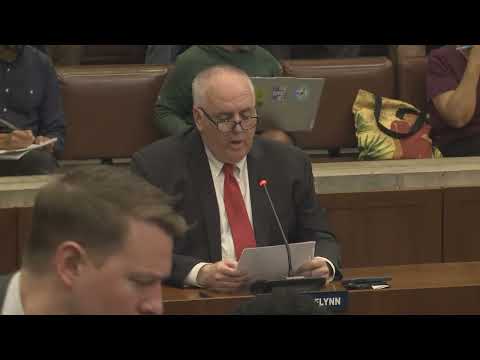
Opponents — including Councilor Ed Flynn in the hearing record and representatives of several neighborhood associations — urged caution. Flynn argued that many families, seniors and people with disabilities rely on cars and warned that removing minimums citywide could push more cars onto neighborhood streets. He also said the Planning Department director had voiced reservations. Residents who opposed the amendment asked the council to consider staged or block‑by‑block approaches and demanded more study of cumulative effects on enforcement, curb access and residential parking permit programs.
Much of the committee’s questioning focused on process and who would decide how much parking is built if minimums were removed. Panelists and councilors clarified that the amendment removes a regulatory floor but does not impose a cap: developers would propose parking levels; planning staff and existing review processes, including Article 80 for large projects, would still evaluate proposals. Witnesses also noted some cities that removed minimums later adopted parking maximums or other complementary measures.
The Planning Department submitted a written review to the record stating the draft amendment is "technically sound" and noted minor numbering changes may be needed after the Zoning Commission’s June 17 meeting. The department also described ongoing rezoning initiatives that have already addressed parking in certain squares and neighborhoods.
More than two dozen public witnesses testified in the hearing’s public comment period. Supporters — including neighborhood organizers, housing advocates and some small developers — said parking minimums often produce excess, underused spaces and that the direct construction costs are passed to renters and buyers. Opponents — including long‑term residents and civic associations in neighborhoods such as Roxbury, Roslindale and South Boston — said the proposal as drafted is too broad, and urged either targeted exemptions or additional guarantees (for example, limits on resident permit eligibility for occupants of zero‑parking buildings) to protect existing residents.
The committee did not vote on the amendment. Chair Durkan said the docket will remain in committee and that the council plans further working sessions to refine technical language and to consider the Planning Department’s input. She thanked panelists and the many residents who testified.
What happens next: the item remains in committee for additional working sessions and technical edits. Because the Council’s text amendment would be a petition to the Zoning Commission, any final change to the zoning code would require subsequent public hearings and action by the Zoning Commission.