Get Full Government Meeting Transcripts, Videos, & Alerts Forever!
Get email alerts on the Rural Air Service topic
No spam. Unsubscribe anytime.
Subcommittee opens hearing on rural air service; highlights 2024 FAA reauthorization funding gains
Summary
A House aviation subcommittee opened a hearing on challenges facing small and rural commercial service airports, stressing that the 2024 FAA reauthorization boosts EAS support, raises subsidy caps and increases Small Community Air Service Development Program funding from $10 million to $15 million.
A House aviation subcommittee opened its first hearing of the year on trends, opportunities and challenges facing small communities and rural commercial service airports, focusing on how the 2024 Federal Aviation Administration reauthorization will affect service and safety.
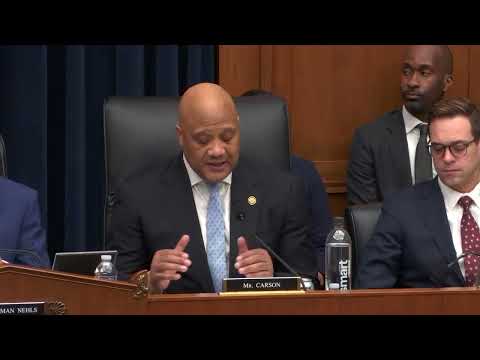
A committee member who led the remarks said the reauthorization preserves the Essential Air Service (EAS) program, raises per-passenger subsidy caps, improves the alternative EAS program and increases the Small Community Air Service Development Program annual authorization from $10 million to $15 million. "The 2024 FAA reauthorization is actively creating a positive economic impact on small and rural communities," the committee member said.
Why it matters: Committee members and witnesses have pressed that federal support is critical to keep rural airports connected to national hubs. The speaker noted Indianapolis International Airport is among the nation's busiest and pointed out there are four Indiana airports with EAS determinations that connect through Chicago O'Hare.
The member also highlighted larger infrastructure changes funded in the reauthorization, saying the Airport Improvement Program was boosted to $4 billion per year and that revisions to the apportionment formula increased annual formula funds for both large and small airports. "We can all agree that airline passengers, regardless of whether they're flying into a major hub or a non-hub airport in their small communities, deserve one level of safety," the committee member added, urging maintenance of pilot training standards, aircraft certification, air traffic control staffing and improved safety data tracking.
The speaker thanked the witnesses for their role in maintaining service to small and rural communities and yielded back the floor. The presiding officer then recognized the chairman of the full committee, Mr. Graves, to continue the hearing.