Get Full Government Meeting Transcripts, Videos, & Alerts Forever!
Get email alerts on the Housing Policy topic
No spam. Unsubscribe anytime.
Council discusses strengthening landlord-tenant rules after utility outage; staff to research legal options
Summary
City staff and council discussed the existing rental-facilities ordinance, possible landlord registries, tenant information packets, and whether local measures can require landlord responsibility or immediate tenant relief after utility-disrupting landlord negligence; staff will research state-law limits and return with options.
HAGERSTOWN, Md. — In the wake of a recent gas/outage incident that displaced residents, the Hagerstown Mayor and Council reviewed the city's rental-facilities ordinance on June 9 and discussed potential local steps to increase tenant protections and landlord accountability.
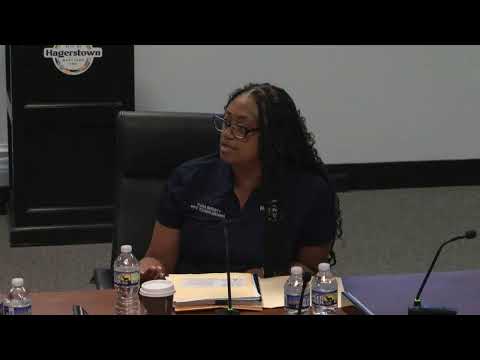
Paul, a city staff member, briefed the council on current local ordinances and noted that many codes (trash, zoning, utilities) apply to all properties, while a specific rental-facilities ordinance is the principal local tool aimed at rental property standards. Council members and staff discussed ideas that included a landlord/property registry, standardized tenant information packets at lease signing, and clearer guidance about responsibilities when tenants are displaced due to landlord negligence.
Several council members asked whether the city can require lease review, force escrowed funds for utilities, or legally compel landlords to assume relocation costs when tenants are displaced by negligent maintenance. Paul said state law sets many lease requirements and that the city's office lacks the manpower to pre-review thousands of leased units; he agreed to research legal authority and report back with options that conform to Maryland law.
Council members emphasized the need to avoid penalizing responsible landlords while creating practical protections for tenants; they also discussed referral to statewide associations to compare best practices with other cities.
Next steps: staff will research state law and consult the city attorney, prepare options that balance legal constraints and local capacity, and return to council with recommended ordinance changes or administrative steps.