Get Full Government Meeting Transcripts, Videos, & Alerts Forever!
Get email alerts on the Referendum topic
No spam. Unsubscribe anytime.
Noblesville Schools board approves resolution to place eight-year operating referendum on Nov. 3 ballot
Summary
Superintendent Dr. Hy presented analysis showing state legislation (SEA 1), enrollment dips and property tax caps will erode local revenue. The board voted to place an eight-year operating referendum on the November ballot (maximum rate up to 57¢; administration recommends a first-year working rate no higher than 41¢).
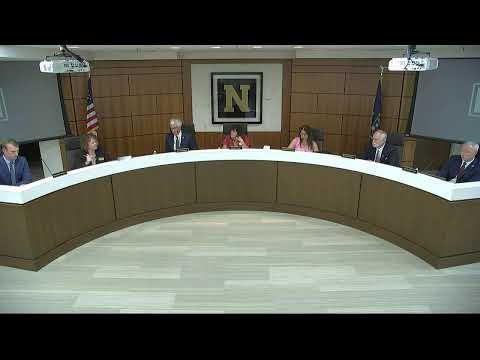
Noblesville — The Noblesville School Corporation board voted June 9 to put an eight-year operating referendum on the Nov. 3 ballot after Superintendent Dr. Hy told trustees state changes to property-tax calculations and recent enrollment declines are reducing the district's revenue base.
Dr. Hy said the district's current referendum, which has generated roughly $25 million annually, will not buy the same level of services going forward because Senate Enrolled Act 1 changes how assessed values and deductions are calculated. "SEA 1 is effectively lowering the value of homes for tax purposes," Dr. Hy said, adding the result is a multi-year erosion of net assessed value that will reduce referendum revenue unless the board and community act.
Why it matters: Administration said the referendum is intended to stabilize the district's operating budget and preserve programs and staff. Dr. Hy's presentation showed Noblesville ranks below the state average on per-student funding from both state and local sources, that the district lost about 200 students this school year, and that property tax caps and deductions have cost the district an estimated $41.5 million over 11 years.
What the board approved: The resolution authorizes placing on the ballot an eight-year operating referendum that sets a legal maximum rate of 57¢. Administration and its consultant Policy Analytics modeled a stair-step plan that would limit annual rate increases to no more than 4¢ and recommends that the board not adopt more than a 41¢ working rate in year one. District staff said under that plan the median homeowner would pay about $40 more in year one; administration emphasizes that the large dollar figure that appears in the statutory ballot example reflects required rounding and a maximum hypothetical calculation, not the district's planned first-year rate.
On ballot wording: Dr. Hy cautioned trustees that state law dictates the exact vocabulary and example numbers that appear on the ballot. Because the auditor must round the median homestead value to the nearest $50,000 and the ballot example uses the full maximum rate, the question's example annual increase reads higher than the district's modeled year-one impact. Dr. Hy said this legal wording can be misleading and that the district will provide clarifying materials to voters.
Budget context and consequences: Board members pressed administration on the consequences of the referendum failing. Dr. Hy said the district has already taken cost-saving steps, including about 60 position reductions through retirements, attrition and cuts that produced roughly $4 million in savings. He warned that without referendum revenue the district would need to reduce roughly 20% of staff across departments and programs to close the gap and that the next local opportunity to ask voters would be 2028.
Public comment and board action: Public comment at the meeting featured parents, teachers and community leaders urging trustees to place the question on the ballot. After discussion the board moved, seconded and approved the resolution to place the referendum question on the November 3, 2026 ballot; one trustee recorded an opposing vote during the roll call.
Next steps: If approved by voters, the referendum would run for up to eight years. If the board moves forward with the stair-step plan, trustees and administration said they will set annual working rates no later than the budget process each fall and that the district will publish clear, plain-language explanations and detailed calculators on its Dollars & Cents webpage to show what the referendum would mean for individual taxpayers.