Get Full Government Meeting Transcripts, Videos, & Alerts Forever!
Get email alerts on the Code Enforcement topic
No spam. Unsubscribe anytime.
Richmond board introduces lien-rebate program to spur redevelopment of blighted properties
Summary
At first reading, the board reviewed an ordinance creating a code-enforcement lien rebate program that would let purchasers who pay off city liens apply for a rebate after completing agreed improvements within 18 months; eligibility would begin for purchases on or after Jan. 1, 2026.
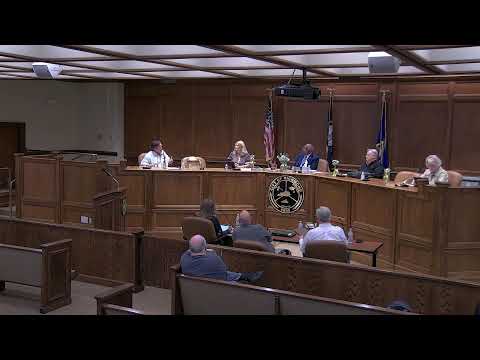
The Richmond City Board of Commissioners on June 9 introduced Ordinance 26-22, a proposed code-enforcement lien rebate program designed to encourage redevelopment of property burdened by city code-enforcement liens.
The city attorney, speaking during the first reading, said the program would require purchasers to pay off existing city liens at closing and enter a written pre-agreement with the city describing required improvements. "Purchasers of city properties encumbered by code enforcement liens may receive a rebate equal to the lien amount they paid at the time of purchase," the attorney said, adding that rebates would be issued within 30 days after the board verifies compliance.
Under the draft ordinance, eligible properties are limited to those bought on or after Jan. 1, 2026. The city would require verification that agreed improvements were completed within an 18-month hard deadline and would inspect projects before authorizing rebate payments. The attorney said required improvements could include zoning compliance, building and safety code work, environmental remediation, structural repairs and, when applicable, historic-preservation standards.
Supporters at the meeting framed the program as an incentive for builders who otherwise could be discouraged by lien balances. "By the time they service the lien and actually buy the property, the money doesn't work for them to build a house and make it profitable," a commissioner said, describing the program as a way to make some renovations financially feasible.
The ordinance was presented in summary form and will return for a second reading and a formal vote at a future meeting. The transcript shows no final vote tonight; the matter was referred to the Planning and Zoning Commission as part of normal procedural review when applicable.