Get Full Government Meeting Transcripts, Videos, & Alerts Forever!
Get email alerts on the 155 South Greenbush topic
No spam. Unsubscribe anytime.
Neighbors tell Orangetown board revised 155 South Greenbush plan still raises traffic, runoff and scale concerns
Summary
ADG Architects presented a revised plan for 155 South Greenbush that reduces units to 138 apartments and 15 townhouses and splits buildings for fire access; neighbors raised concerns about peak-hour congestion on Greenbush Road, stormwater runoff into Spark Hill Creek, well contamination and the visual scale of a four‑story structure.
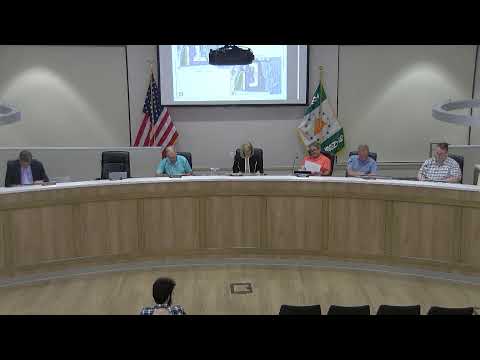
ADG Architects presented a revised proposal for a multi‑dwelling floating zone at 155 South Greenbush Road during the Orangetown Town Board meeting on June 9. Jason Anderson described changes made after a DEC wetland-buffer adjustment, saying the plan now proposes 138 apartments and 15 townhouses (down from a prior scheme with 160 apartments and 20 townhouses), parking at roughly 1.6 spaces per unit, and a divided apartment building to meet fire‑access requirements.
Anderson said the reconfigured plan preserves more wooded area by observing a new 100‑foot wetland buffer. He added that the building nearest existing residences was reduced to three stories while a second building remains four stories; townhouses along Greenbush would be two stories and contain three‑bedroom units.
When the board opened public comment specifically on the presentation, neighbors described local impacts they expect if the project proceeds unchanged. Lorraine McKenzie, who lives on Hickory Street, said Greenbush Road already backs up during peak hours and asked where the cars for roughly 140 new units would go. She said the project “will almost triple the current density” for an area she described as mostly two‑story single‑family homes.
Other residents questioned stormwater runoff and groundwater effects, noting portions of the property have long‑standing water and well‑quality issues. Dilio Ringer, a neighbor, said some local wells are treated because of contamination and warned extensive excavation could exacerbate groundwater problems. Vanessa Lapkins and other speakers requested a comprehensive traffic study and that the board consider cumulative impacts including nearby industrial development and previously proposed projects.
Supervisor Kenny emphasized that a floating‑zone petition and planning‑board review — not the town board’s immediate approval — would be required if the applicant pursues the zoning change. The presentation was informational; the board did not vote on the floating‑zone petition at the meeting.