Get Full Government Meeting Transcripts, Videos, & Alerts Forever!
Get email alerts on the Data Centers topic
No spam. Unsubscribe anytime.
Orangetown hires consultant to prepare data‑center moratorium amid sustained public opposition
Summary
Orangetown’s board voted to engage AKRF to draft a time-limited moratorium and local law governing data centers, drawing extended public comment urging the town to include the pending Databank Phase 2 expansion. Residents raised concerns about power use, water stress, noise and zoning precedents.
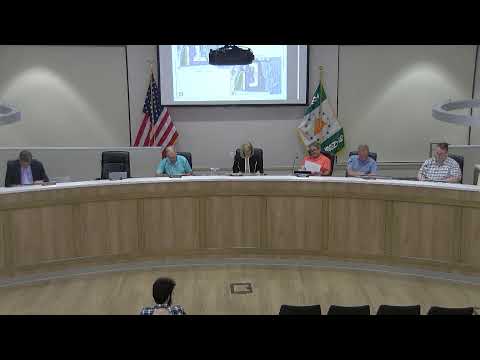
Orangetown’s town board voted June 9 to hire AKRF to prepare a proposed moratorium and a draft local law to address data-center siting and related zoning and environmental rules, a step the board said is intended to create time for public hearings and a fuller review.
Supervisor Theres Kenny told the board AKRF would “take a step back” and prepare a moratorium and follow-on local law so the town can examine whether and where data centers should be permitted. The board approved the engagement at a cost not to exceed $31,000.
The decision came after nearly four hours of public comment in which dozens of residents, engineers and advocacy groups urged the board to act and asked that any pause include pending applications and planned expansions. David Rosen of the New York–New Jersey Data Center Crisis Coalition backed a broad moratorium and said, “A moratorium is not overreach; it’s leadership,” arguing the town should preserve its zoning authority to prevent approvals without expanded review.
Speakers repeatedly cited concerns about energy and water use for modern AI‑level facilities, noise from diesel generators and potential local economic and environmental impacts. Retired electrical engineer Betsy Longerdorf urged “intelligent and consistent rules” and requested transparency on projected power, water and emissions. Stephen Jackson, a chemical engineer, urged a limit on facilities above 20 megawatts, citing much higher power needs for AI‑oriented operations than older server farms.
Several residents urged that the planned Databank Phase 2 expansion — which commenters said applicants estimate would add tens of megawatts of demand — be included in any moratorium. Speakers argued a moratorium that carved Databank out would undermine the policy’s purpose; Heather Hurley read suggested legal language from attorney James Riley urging that the moratorium control new applications and pending applications under review.
Supervisor Kenny and other board members clarified the vote did not enact a moratorium that night; instead the board is hiring AKRF to prepare materials and a draft local law that must be the subject of subsequent public hearings and official adoption steps. Kenny told residents AKRF will propose steps and the town board will hold the legally required hearings before any moratorium or law takes effect.
Next steps: AKRF is expected to prepare a draft moratorium/local law and supporting analyses; the town board must then schedule public hearings before adopting any local law. The board approved the AKRF engagement by voice vote.