Get Full Government Meeting Transcripts, Videos, & Alerts Forever!
Get email alerts on the Water Quality topic
No spam. Unsubscribe anytime.
Roanoke Stormwater: Avoid turbid river water, wait 48 hours after rain, and follow simple safety steps
Summary
Roanoke Stormwater staff say monthly E. coli testing and source-tracking guide repairs, and they urged river users to avoid muddy water, wait 48 hours after rain, avoid open wounds, wash hands, and wear closed-toe shoes; residents can help by picking up pet waste and joining cleanups.
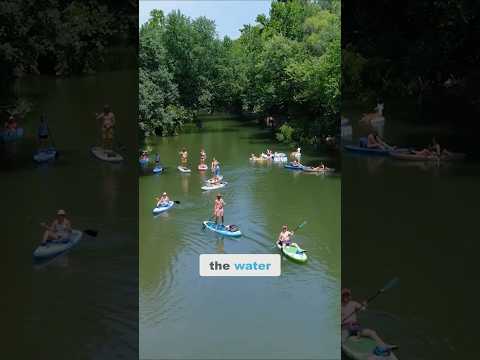
Quinn Martin of Roanoke Stormwater told a Parks and Recreation segment that river users should avoid cloudy or muddy water and wait 48 hours after rain before paddling, tubing or wading in the Roanoke River to reduce the risk of exposure to elevated bacteria levels.
"Stormwater's two main focuses are water quality and reducing flood risk," said Quinn Martin, who described the department's maintenance of storm drain inlets, outfalls and natural assets including the Roanoke River and its tributaries. Martin said the city collects about 45 water samples once a month across Roanoke to test for E. coli and other water-quality parameters and to inform source-tracking investigations that lead to repairs.
"The general rule is to wait 48 hours after a rain event," Martin said. He explained that summer heat and humidity tend to increase naturally occurring bacteria in the environment, while freezing winter temperatures typically reduce those levels.
For people who choose to recreate in the river, Martin gave practical safety steps: avoid entering visibly turbid or muddy water, do not go in with open wounds or cuts, wash hands before eating or drinking after being in the water, and wear closed-toe shoes to protect against rocks and other hazards.
"The community can help us create a clean water legacy by picking up after any outdoor pets, keeping trash in trash cans, maintaining their septic if they're on septic," Martin said, listing simple habits residents can adopt. He also encouraged participation in local community cleanups and mentioned the city's annual public cleanup in August, and pointed listeners to Roanoke's annual "State of the Waters" publication for more detailed data.
Molly Hagan, with Roanoke Parks and Recreation, introduced the segment and closed by thanking the guest. The city will continue monthly sampling and source-tracking work to identify and repair pollution sources that affect recreational water quality.