Get Full Government Meeting Transcripts, Videos, & Alerts Forever!
Get email alerts on the Ssa Operations topic
No spam. Unsubscribe anytime.
Lawmakers press SSA commissioner on phone metrics, call‑center staffing and data practices
Summary
At a House Ways and Means joint subcommittee hearing, Commissioner Frank Visignano defended an agency turnaround in phone, web and field office service while acknowledging disputed metrics on callbacks; lawmakers also pressed him to deny media reports about adding living people to the Death Master File.
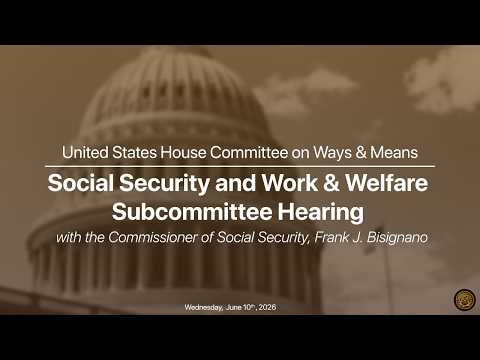
The House Ways and Means subcommittees on Social Security and Work & Welfare heard sharply contrasting accounts Tuesday about the Social Security Administration’s service improvements and its public reporting of phone wait times.
Commissioner Frank Visignano told the panel that the agency has “answered 90% of calls to our 800 number and have reduced average wait time to 5 minutes,” and that field office wait times and disability‑processing backlogs have fallen after he reallocated personnel and prioritized technology. “We are building a modern, sustainable, and durable organization,” he said in his opening remarks.
But lawmakers from both parties pressed Visignano on how SSA counts‑and‑reports wait times. Representative Judy Chu pointed out that SSA records callers who select a callback option as having a “0 minute wait” regardless of how long the callback actually takes; Visignano said “the answer is yes” and called that an industry standard. Chu and other members cited an inspector general review and union statements that reported substantially longer real wait times, including average on‑hold times approaching an hour and callback waits averaging as long as nearly two hours in some samples.
“Recording callbacks as zero minutes dramatically lowers the headline speed‑of‑answer figure,” Chu said, urging the agency to restore more granular metrics the public previously saw on SSA’s website. Visignano told lawmakers callbacks average “under 30 minutes” and that SSA posts call surveys and satisfaction metrics on its site.
The hearing also included a direct challenge to media reporting about the agency’s Death Master File. Chairman Estes voiced concern about reports alleging SSA had added living people to the database; Visignano denied that practice. “We are not, and from the day I’ve been here, we haven’t added people to death master file who are living,” he said, and described a reconciliation of the agency’s Social Security number database and the creation of new risk‑management and cyber leadership roles to improve data integrity.
Members sought specifics: how reassigning thousands of employees to phone duty affected casework in local offices; whether shorter training for temporarily reassigned staff could undermine service quality; and what SSA will publish to give beneficiaries clear expectations for callback timing and outcomes. Visignano described weekly governance briefings covering 200 indicators and productivity measures and said the agency is continuing to refine payment cycles, fraud‑prevention analytics and service reporting.
The subcommittee left open follow‑up questions; members have two weeks to submit written questions to the record. Several representatives said they plan to press SSA to restore more detailed public metrics and to provide continuous updates on callback times and field‑office availability.