Get Full Government Meeting Transcripts, Videos, & Alerts Forever!
Get email alerts on the Literacy Intervention topic
No spam. Unsubscribe anytime.
Santa Fe Trail district credits teacher training, structured literacy and schedule changes for large reading gains
Summary
Santa Fe Trail USD 434 told the board its coordinated use of LETRS training, grade‑level core materials, diagnostic screening with FastBridge and protected daily intervention blocks lifted primary‑grade students in tier‑1 reading from 19% (fall 2022) to 72% (spring 2026), and state assessment levels 3–4 grew from 24% to 39%
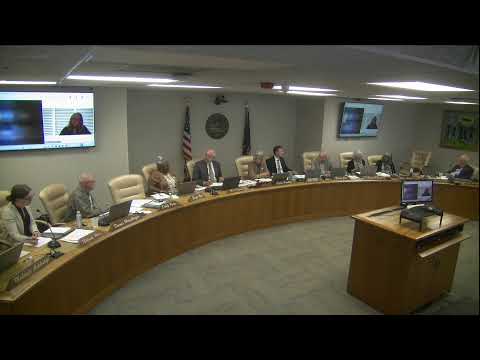
TOPEKA — A multi‑year approach to literacy in Santa Fe Trail USD 434 produced measurable gains, district leaders told the State Board of Education on June 9.
Dr. Carrie Mugridge, Santa Fe Trail’s executive director of learning services, and district leaders described a coordinated strategy that combined universal FastBridge screening three times a year, diagnostic follow‑up, evidence‑based core instructional materials, widespread LETRS (structured literacy) training for Pre‑K–5 teachers and administrators, a districtwide intervention schedule (protected daily intervention/walk‑to‑intervention blocks), and TASN coaching for implementation.
District data presented to the board showed early‑grade tier‑1 proficiency (FastBridge screening) rising from 19% in 2022 to 72% in spring 2026, and an increase in state assessment levels 3–4 from about 24% (2022) to nearly 39% (spring 2026). District officials credited implementation fidelity — grade‑level core materials and teacher training — coupled with diagnostic progress monitoring for the improvements.
Principals and intervention specialists described practical changes: protected time in the master schedule for intervention, frequent progress monitoring (every 1–2 weeks in elementary), classwide short interventions when medians rose, and parent communication materials that explain diagnostic findings and interventions. Administrators emphasized a teacher‑led approach and consistent celebrations for teacher and student progress.
What’s next: District leaders said they plan to scale successful practices into middle and high school and to apply the same model to math interventions. They encouraged other districts to secure high‑quality instructional materials, protect collaborative time for teachers, and invest in educator science‑of‑reading training.
Attributions: Direct quotes and data points come from district presentation and slide materials provided at the June 9 board meeting.