Get Full Government Meeting Transcripts, Videos, & Alerts Forever!
Get email alerts on the Device Policy topic
No spam. Unsubscribe anytime.
State board begins deep review of classroom devices, asks staff for research and outreach
Summary
The Kansas State Board of Education convened a June 8 work session to study one‑to‑one student devices, heard higher‑education presentations on teacher training and an overview of state legislation (SB350 did not pass), entered a brief executive session and directed staff to propose surveys and communication plans rather than adopt immediate policy.
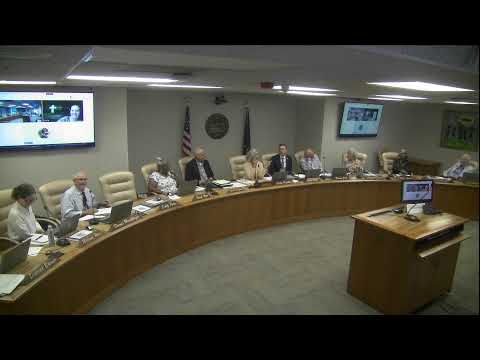
The Kansas State Board of Education spent a June 8 work session beginning a months‑long review of classroom student devices, focusing on evidence, teacher preparation and operational risks rather than immediate bans. The board did not adopt policies; it asked state Department of Education staff to design outreach and data‑collection plans and returned to an executive session to consult counsel.
Board member Melanie Hos told colleagues the review is about being "intentional and evidence‑based," not "pro‑technology or anti‑technology," and urged the board to remember federal protections for students with disabilities (FAPE) when considering any limits. Hos said the board is aiming for a realistic timetable, noting an implementation target that would likely begin for the 2027 school year rather than imminently.
The meeting paired that guidance with expert presentations. Teacher‑preparation faculty from Emporia State and representatives of private colleges said Kansas requires a statewide transfer course (often titled "technology for educators") that aligns to the Kansas core outcomes and international professional standards; presenters emphasized method and purpose over device presence, teaching candidates to evaluate tools for accessibility, ethics and learning goals.
State staff summarized actions in other states and a Kansas Senate draft (SB350) that did not pass this session. Payton, the board’s research presenter, said some states (notably Utah) have adopted prescriptive, age‑based screen limits; Kansas’s draft bill would have imposed stricter limits for younger grades, required parent opt‑out/opt‑in mechanisms and restricted some uses and features on district devices.
Board members debated tradeoffs. Several warned that rigid, rapid mandates can produce unintended consequences in procurement, assessment administration and equity for rural or high‑poverty districts that have limited capacity to provide alternatives. Others said the board needs a defensible, timely policy package to avoid having the legislature impose simpler but disruptive rules.
After the public discussion the board voted to go into a 20‑minute executive session to consult with legal counsel "to protect the privilege and the board's communication with its attorney," then returned and instructed staff to bring back recommended methods for surveying teachers and parents, options for pilot projects and proposed timelines for analysis and draft guidance.
What’s next: the board asked Department of Education staff to recommend outreach methods (surveys and conference‑based listening), possible pilots and data timelines for the board to review in July and August. No policy changes were made at the meeting.