Get email alerts on the Mowing Enforcement topic
No spam. Unsubscribe anytime.
Committee proposes adding higher fine tier for repeat mowing violations
Summary
Committee members approved the minutes and discussed adding an extra penalty column with a substantially higher fine for habitual mowing violations rather than raising the base rate, to avoid penalizing first-time or occasional noncompliance.
The local committee approved the minutes and debated how to update mowing-enforcement penalties, with members favoring an additional, higher fine tier aimed at habitual violators rather than raising the base hourly rate.
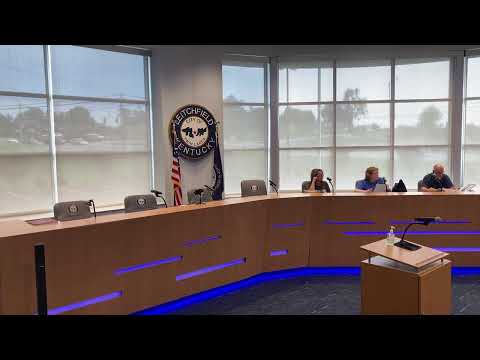
The chair confirmed a quorum and asked for corrections to the minutes; when no member raised changes, one member moved to accept the minutes and another seconded. The motion carried after the chair called the vote and said, "All in favor, that pass." The minutes approval preceded discussion of mowing enforcement.
A committee member said they and a colleague had been discussing mowing rights and had not reached a final decision but planned to add another penalty category. The member explained the thinking: rather than increasing the base rate or standard citation for a first offense, "we're probably just going to add a column with the higher fine instead of raising the rates," aimed at those with repeated violations.
Members argued that raising the standard rate could unfairly burden residents who experience one-off problems, like illness or mechanical failure. "If you happen to get sick and you couldn't mow it," one member said, "life happens." The proposed additional column would apply a substantially higher fine after multiple offenses to target habitual noncompliance.
The committee did not adopt a final ordinance or rate table at the meeting; members described the change as the "next step" and said they would continue internal discussions and return with a concrete proposal at a future meeting.
AI generated
The text on this page is AI generated. Summaries, highlights, analysis, and video transcripts are all produced from the original source material.
AI can make mistakes, so if you spot one, and we will fix it for everyone.
Note: the source content is unaltered by us. Any content source we link to, be it a video, an audio recording, or a document, is presented exactly as its publisher released it. That publisher is usually a government body, sometimes an individual official or another organisation.