Get Full Government Meeting Transcripts, Videos, & Alerts Forever!
Get email alerts on the Ballot Measures topic
No spam. Unsubscribe anytime.
Laguna Beach study session: poll finds mixed support for sales tax, strong backing for a hotel tax increase; council asks staff for drafts and more polling
Summary
City consultants presented a community survey and polling showing strong support for a 2-point transient occupancy tax increase, mixed results for a sales tax, and unclear support for a business license tax; council asked staff to draft a TOT ordinance, develop BLT language, and retest BLT messaging before returning July 7.
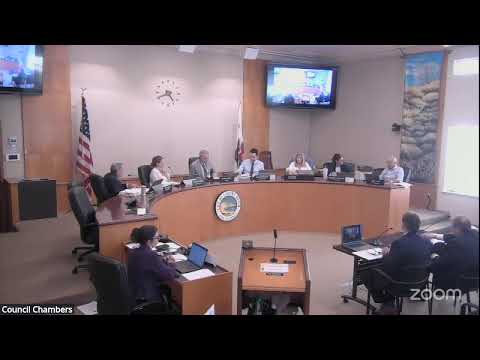
At a June study session, Laguna Beach city staff and polling consultants presented the results of a months‑long community outreach effort and a likely‑voter poll testing three revenue options for a possible November 2026 ballot: a general sales tax, a transient occupancy tax (TOT) increase, and a targeted business license tax (BLT).
Adam Propolski of Propolski Research told the council the poll matched likely‑voter demographics using online, text and phone contacts. He said 64% of respondents think the city needs more resources and highlighted a large gap between what voters list as priorities (reducing wildfire risk, parks and trails, balancing the budget) and how satisfied they are with the city’s performance on those issues.
The poll results were mixed by measure. Propolski said a 2‑percentage‑point increase in the TOT (from 12% to 14% in the study scenario) tested strongly, with about three‑quarters of likely voters initially backing it in the survey testing. By contrast, a general sales tax produced roughly even yes/no splits that improved modestly with explanatory messaging. The business license tax—especially a proposal focused on bars and restaurants—was described as harder to communicate; early tests were mixed and consultants recommended targeted outreach and clearer language before relying on those numbers.
Consultant messaging tests mattered. Propolski said messages tying new revenue to independent oversight, wildfire mitigation and protection of local services increased support on several ballot concepts. He also said that explaining that hotel and short‑term lodging taxes are paid largely by visitors made those measures more popular in tests.
Public commenters voiced skepticism about pursuing new taxes before the city demonstrated internal savings and greater fiscal transparency. Former council member George Weiss urged the council to explain a previously reported projected deficit that staff later said had been resolved, calling the 49/47 sales‑tax split a statistical tie. Several residents and business advocates argued the city should prioritize visitor‑paid sources; Jim Daniger and other speakers cited staff material that 74% of bar and restaurant revenue is attributable to visitors and urged a targeted BLT.
Council members debated tradeoffs at length. Several members said public safety—particularly long‑term wildfire mitigation and facility upgrades—remains the highest priority and may require new resources beyond cuts. Multiple council members (including Council member Whan and Council member Kemp) said TOT appears to have the clearest path to voter approval; others urged time to educate residents and businesses if the BLT is pursued.
By the end of the session the council directed staff to prepare draft language and analyses and return July 7 with: a draft general TOT measure (including updated collection language and options for short‑term lodging classifications), a draft BLT focused on bars/restaurants for further consideration, and follow‑up polling that retests BLT language including the 74% visitor‑share framing. Staff and consultants also were asked to supply more detail about how additional revenue would be spent on wildfire and public‑safety investments to inform voters.
The council did not take a final vote to place measures on the ballot at the session; staff noted county timelines that make late‑July actions time‑sensitive but said drafts and additional poll results could be returned on July 7.
What’s next: Staff and consultants will bring draft measure language and results of targeted follow‑up polling to the council on July 7; the council indicated it may refine spending priorities for any measure and pursue additional outreach to hotels, restaurants and community groups before deciding whether to place a measure on the November ballot.