Get Full Government Meeting Transcripts, Videos, & Alerts Forever!
Get email alerts on the Education Technology topic
No spam. Unsubscribe anytime.
Staff present technology-use snapshot; parents ask for clear criteria on screen time and AI
Summary
At the meeting, school staff reviewed classroom technology use—diagnostic apps, maker projects, monitoring tools and digital assessments—and parents urged the board to adopt explicit criteria for evaluating screen time, data privacy and AI use in student work.
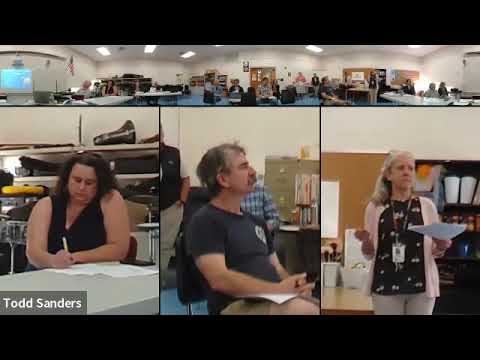
The board heard a detailed presentation on classroom technology use, followed by sustained public comment asking for clear evaluation criteria and steps on digital citizenship.
Christina Bradberry, introduced by the board as a teacher and presenter, outlined core apps and tools used across grade levels. She said programs such as Lexia (literacy) and math diagnostic tools generate student-level data and "meet the student where they're at," allowing teachers to pull targeted action plans. Bradberry described a distinction staff are emphasizing between "active" uses of devices—coding, media production and group research—and more passive tasks such as digital worksheets that could be completed on paper.
The presentation covered assessment delivery and classroom practice: state and local assessments now run digitally, teachers sometimes require paper-first drafts to limit distractions, and technology classes meet weekly with a mix of hands-on device time and discussion. Bradberry highlighted student projects—3D design, laser engraving and student-made items sold at school events—as examples of technology used for authentic, real-world learning.
Parents and board members focused on oversight and criteria. Laura Greg, a parent who submitted a letter and addressed the board during public comment, thanked the board for placing the topic on the agenda and asked, "What is the criteria that's in place for examining the uses of technology when they come up?" She described an example in which an iPad option was offered in pre-K and asked how such choices are evaluated for developmental appropriateness, learning benefit and community values.
Board members and staff discussed next steps: collecting usage data, improving teacher training, and drafting a written digital-citizenship curriculum. A staff member described a monitoring tool (HPARA) that can show students' school-day screens and provide guided browsing; proponents said it might help manage in-school safety while others noted the need to balance oversight with instruction.
Speakers also tackled concerns about artificial intelligence. Staff noted that at middle-school levels AI-generated writing is often distinguishable and that requiring paper-pencil first drafts is one tactic to make assessment of student skills more reliable. Participants recommended teaching source evaluation and research skills alongside any new tools; one speaker suggested practical search tactics to reduce AI-driven top-line results while instructors emphasize source checking.
The board did not take formal action on any technology policy at the meeting but flagged the ESC transition as an opportunity to develop consistent mission, training and evaluation approaches. Staff said they will return with follow-up work on usage data, training plans and a proposed digital-citizenship curriculum for further board consideration.