Get Full Government Meeting Transcripts, Videos, & Alerts Forever!
Get email alerts on the Budget topic
No spam. Unsubscribe anytime.
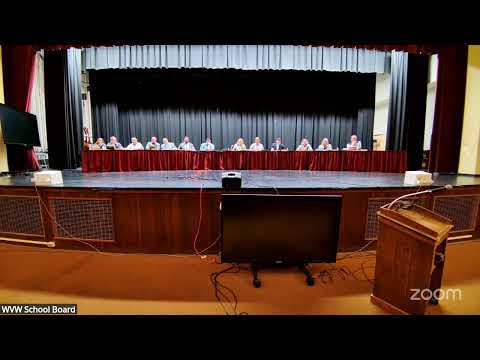
Wyoming Valley West board approves 2% tax increase and establishes millage for 2026–27 budget
Summary
The Wyoming Valley West School Board voted unanimously to back a 2% increase to the district tax levy and established the school tax millage at 18.8503 mills for fiscal year 2026–27; the board also approved staff-recommended budget items and finance reports.
The Wyoming Valley West School Board voted unanimously June 10 to approve a 2% increase to the district tax levy and to set the 2026–27 school millage at 18.8503 mills.
Board members put the motion for a 2% increase on the table after a brief discussion of fiscal impact and alternatives. The motion was made by Brian (mover) and seconded by Mr. Wilson; finance manager Rob Kachard provided the millage and budget calculations. Kachard stated the millage for a 2% increase would be 18.8503 mills and provided comparison figures for a 3% increase when asked.
Why it matters: the board said the 2% increase would generate additional revenue the district said it needs to support operations and infrastructure. During discussion the transcript records an estimate of the average taxpayer impact at approximately $36.88 per year; the board noted that a 2% increase would yield roughly $638,435 in additional revenue according to the finance presentation.
The motion passed on a voice and roll-call vote with every member recorded as voting yes. The board then moved to approve staff-recommended action items, including the final budget for 2026–27 and the establishment of the tax levy at 18.8503 mills. The transcript lists a total budget figure read aloud in the meeting materials, but the numeric formatting in the transcript was unclear; the published record should be consulted for the exact dollar total.
Board members thanked finance staff for budgeting work before approving the finance manager’s and treasurer’s reports.
What’s next: The board adopted the millage and budget as part of its regular monthly actions; any operational changes or specific spending tied to the new revenues will be reflected in subsequent board reports and department requests.