Get Full Government Meeting Transcripts, Videos, & Alerts Forever!
Get email alerts on the Meeting Procedures topic
No spam. Unsubscribe anytime.
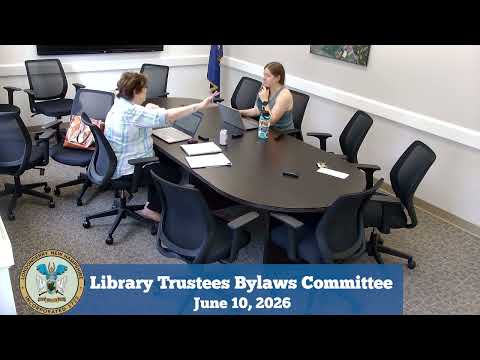
Subcommittee debates remote attendance rules, chair authority and limits on trustee objections
Summary
The Lee Library bylaws subcommittee discussed drafting clearer rules for remote attendance (advance notice, self‑identification, video preferred), reiterated that the chair has no authority to override board votes (citing RSA guidance), and revised 'trustee objection' language to prevent tactical delays while preserving a trustee’s ability to state they lack sufficient information.
The Lee Library bylaws subcommittee spent significant time refining procedural safeguards: when trustees may appear remotely, what the chair may do, and how a trustee may request a delay because they lack information.
Committee members agreed remote participation is feasible but must be managed so the public can hear and identify remote attendees; one member recommended video be preferred so remote trustees appear on screen and audio is clear. They noted that remote attendance should be coordinated in advance and that attendees must identify themselves and anyone present with them.
On chair authority, members discussed an attorney opinion and RSA language indicating the chair “has no more authority than any other member of the board” and cannot override votes. The subcommittee proposed inserting language to preserve agenda‑setting roles for the chair while making explicit that nothing in the section authorizes the chair to override the board.
The group also rewrote the section on the so‑called trustee objection (a mechanism that previously allowed delaying a vote). One member called the prior wording “word salad” and said the committee should allow a trustee to state they are insufficiently informed; the board would then discuss available information and seek consensus on whether to delay an item, but the power should not be weaponized to stall votes.
Why it matters: Clear remote‑attendance rules and limitations on chair authority and trustee objections aim to protect public access, preserve fair deliberation and reduce procedural abuse that can impede board business.
The subcommittee will fold the new language into article three (meetings) and return revised text for further review at the July follow‑up meeting.