Get Full Government Meeting Transcripts, Videos, & Alerts Forever!
Get email alerts on the Land Use Appeal topic
No spam. Unsubscribe anytime.
Live Oak council reverses planning-and-zoning decision in appeal over three‑home development
Summary
The City Council unanimously reversed a planning-and-zoning board decision on an appeal for a proposed three‑home subdivision after councilors said they relied on the evidentiary record and staff exhibits; a resident during public comment said the proposed pond would reduce runoff and improve local flooding.
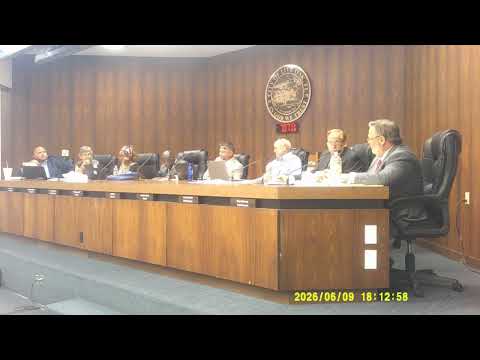
The City Council of Live Oak unanimously voted to reverse a planning-and-zoning board decision on an appeal concerning a proposed three‑home development and its stormwater pond, the council announced after a roll call citing staff exhibits.
A resident during the public‑comment period defended the project's stormwater design, saying the pond would reduce runoff rates from about 422 gallons per minute to about 138 gpm and describing the design as ‘‘300% better on rate control’’ and as holding ‘‘189% more water than is necessary by law.’’ The commenter also said the neighborhood floods during heavy events and that the proposed design improves conditions in the area.
Council members discussed that aesthetic concerns and neighborhood preference could not be the basis for reversing the planning board; staff and the presiding official repeatedly instructed members to ground their decision in the administrative record. A staff speaker told the council the staff report lists the documents in the record (exhibit one and exhibit two, and other packet materials) and asked members to identify which documents they relied on for their vote so those references could be incorporated into the final resolution.
A motion to reverse the planning and zoning decision was moved and seconded (movers not specified in the transcript) and then taken to roll call. During the roll call several council members stated they were voting ‘‘yes’’ and the presiding official declared the motion unanimous. Council Robinson is recorded in the transcript as voting yes during the roll call.
The transcript records discussion that deed restrictions or private covenants are a private matter for neighbors and not within the council’s scope to decide in this appeal. The council did not rely on deed restrictions when making its decision, according to staff guidance recorded in the meeting.
Next steps recorded in the meeting: council members were asked to identify the specific documents from the record that supported their votes so the legal findings could be incorporated into the resolution that will implement the reversal.