Get Full Government Meeting Transcripts, Videos, & Alerts Forever!
Get email alerts on the Land Use topic
No spam. Unsubscribe anytime.
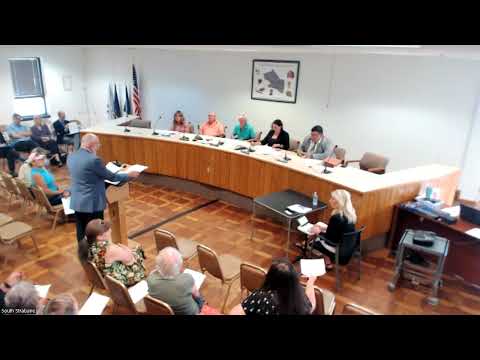
South Strabane zoning board unanimously denies variance to allow trucking operation on Copper Kettle Road
Summary
The South Strabane Zoning Hearing Board unanimously denied a use variance sought to park and maintain commercial trucks in an agricultural (A1) district after residents and the board concluded the proposed operation would change the character of the neighborhood.
The South Strabane Zoning Hearing Board on a unanimous vote denied a proposed use variance that would have allowed the parking and routine maintenance of commercial trucks on a property on Copper Kettle Road.
Chair Art Sullivan opened the hearing on the Copper Kettle Road application and said the board had reviewed the extensive record from the prior meeting. Attorney Thomas Lonnage, representing the applicant (identified in the record as Mr. Zach Gart), said the client intends to park trucks in an existing garage and perform routine maintenance; Lonnage told the board the township staff had earlier characterized the use as an accessory use and that the variance was filed after conflicting administrative guidance. "Just because you make a request for use variance or the use you are seeking does not immediately disqualify you," Lonnage said, arguing courts set a high standard for denying such petitions while preserving the applicant's right to appeal administrative decisions.
Neighborhood speakers urged denial. Kevin Booth, a resident on Zedeker Station Road, told the board the applicant had described operating a trucking business with three trucks and three drivers and that the proposed use could not be considered accessory to a residence when the operator would not live on the property. "The applicant testified that he does not intend to reside at the property and instead intends to rent the residence," Booth said, arguing that the scale described at hearing made the request inconsistent with an A1 agricultural district. Other neighbors raised noise, traffic, floodplain concerns and the risk of setting a precedent that would invite more nonagricultural businesses into the township's agricultural areas.
Board members and counsel discussed whether the zoning officer or the board initially determines whether a use is permitted, and whether the filing of a variance application precludes administrative review. Lonnage said he had placed a letter and related communications into evidence to create a record of staff guidance; the board admitted exhibits and accepted public testimony.
After closing the record, a board member moved and the board voted to deny the variance application. The board cited the central question—whether the proposed activity would change the essential character of the neighborhood—as the decisive factor.
The denial means the applicant may pursue administrative remedies or court appeal if he believes the township's administrative interpretation was incorrect; the board made no further findings about civil enforcement or penalties for existing uses. The public record contains several exhibits and statements from township staff and residents; the applicant's counsel indicated his client intends to preserve his appellate rights.