Get Full Government Meeting Transcripts, Videos, & Alerts Forever!
Get email alerts on the Transit Valleymetro topic
No spam. Unsubscribe anytime.
Mesa council approves Valley Metro payments after sharp debate over light rail subsidy
Summary
After extended debate about Valley Metro subsidies and legal constraints, the Mesa City Council on June 8 approved funding for Valley Metro operations and paratransit; opponents urged renegotiation and independent legal review while the city attorney warned exiting the regional agency could trigger penalties and loss of voting rights.
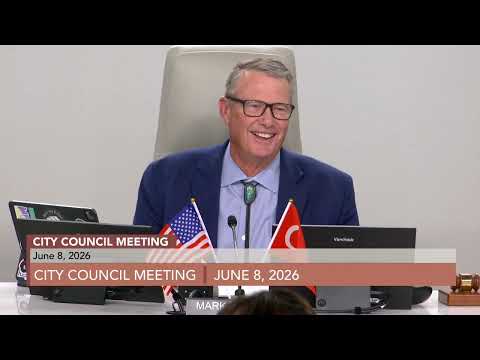
Mesa — The Mesa City Council voted June 8 to approve payments for Valley Metro operations and a paratransit/ride-choice item after a heated debate over who should bear long-term transit costs.
Council member Taylor led the opposition during the discussion, arguing Mesa taxpayers are shouldering a growing subsidy and that voters never approved the long-term cost-sharing mechanism. "We're being asked as a council to approve $18.3 million of Mesa taxpayer money for a single year of operations and maintenance on a five-mile stretch of light rail," Taylor said, adding she would vote no and urging the council to renegotiate cost-sharing and commission independent legal reviews of the intergovernmental agreements.
The council heard contrasting views from colleagues who said the city is bound by contract and that breaching those agreements would expose Mesa to litigation and additional financial liability. "It requires the other two members to agree to withdrawal or we would have to cover the cost," City Attorney Mr. Smith told the council, describing the city’s joint powers/intergovernmental agreement, bylaws and master payment agreement. He said nonpayment could trigger a 12% interest or penalty and would likely result in Mesa losing its voting rights on the regional board.
Council members Adams and Duff emphasized those legal constraints and the regional benefits of transit. Duff described transit as part of multimodal planning and economic development, saying light rail had supported housing and private investment along the corridor. Another council member (identified in the record as Council Member Heredia) described recent Valley Metro cost-saving reviews and underscored that county voters approved Prop 479 and expect continued regional transit service.
The votes followed the discussion: the council first approved the consent agenda and then separately approved item 5B (Valley Metro payment) and item 5C (paratransit/ride choice). Council records show the consent agenda passed unanimously; later votes on 5B and 5C were recorded as passing.
What it means — The council’s action keeps the city meeting its contractual payment obligations for the coming year while several members signaled interest in pursuing better cost controls, renegotiation and legal review before any further expansion. Opponents urged the council to pursue alternatives such as greater reliance on buses and paratransit to serve more residents at lower per-user cost; supporters urged regional cooperation and noted transit’s role in economic development.
Next steps — Council members recommended staff and regional partners continue to study cost-savings measures. The record shows no immediate plan to withdraw from Valley Metro; Mr. Smith noted withdrawal would require agreement from other member cities or acceptance of significant financial consequences.