Get Full Government Meeting Transcripts, Videos, & Alerts Forever!
Get email alerts on the Agenda Reform topic
No spam. Unsubscribe anytime.
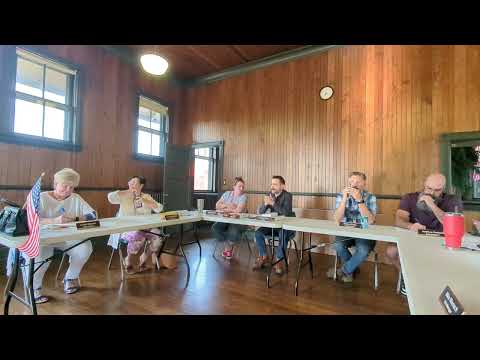
Lapeer City commissioners spar over agenda overhaul and procedural rules in heated workshop
Summary
Commissioners spent a workshop reviewing a proposed, public-friendly rewrite of the agenda and related rules, debating public-hearing placement, presentation slots, time limits and whether the mayor should participate in deliberations; the commission referred the redline task to the city attorney.
Lapeer City commissioners spent a lengthy workshop debating a proposed redesign of the commission agenda and related procedures, and clashed sharply over how strictly to apply parliamentary rules, the mayor’s participation in deliberations and how the public should be allowed to participate.
Mayor Jeremy Hing opened the session by describing a packet circulated in December recommending a modernized, lettered agenda format intended to move hearings and presentations forward so visiting speakers could arrive and leave without waiting through all business. The mayor said the format would add clarity for the public and allow presentations, proclamations and recognitions to occur near the start of the meeting.
The proposed changes prompted detailed questions from commissioners about where to place public hearings versus general public comment, whether a dedicated “presentations/proclamations/recognitions” slot was needed and whether appointments to boards and commissions should be separated from "unfinished business." Several commissioners supported adding a forward-facing timer and providing supplemental color maps for zoning items so residents and commissioners alike could follow discussion.
That policy conversation turned sharply when Commissioner Brady pressed whether the commission should apply the 'small-board' suggestions in Robert’s Rules or defer to the city charter and the commission’s own rules. The disagreement escalated into repeated points of order and personal exchanges; the chair sustained a point that Brady had spoken without recognition. "We are going to find Mr. Brady out of order," the mayor said on the record as he cited the commission's rules.
Other topics included whether the meeting should include a formal "commission/administration response" slot after public comment. Supporters said such a slot allows staff to correct factual questions; opponents said it could provoke emotional exchanges, raise liability concerns and chill the public's right to speak. Commissioners also questioned the practice of publishing staff "suggested motions" on the public agenda packet, arguing those recommendations sometimes create the impression that a decision is pre-determined. Staff explained that suggested motions exist to record precise motion text for minutes and to ensure clerks capture the correct contract name, amount and 'not to exceed' language.
No formal votes were taken during the workshop. The mayor urged commissioners to consolidate feedback and agreed staff would refer an agreed-upon format to the city attorney for a redline showing policy-level implications. The commission also discussed operational changes: staff said departments will aim to submit agenda items earlier in the week to give commissioners more time to review, and commissioners asked staff to evaluate color-printing and delivery options for packets.
The workshop concluded without any ordinance or rule change; commissioners agreed to reconvene with a revised format and attorney recommendations before any action.