Get Full Government Meeting Transcripts, Videos, & Alerts Forever!
Get email alerts on the Community Proclamations topic
No spam. Unsubscribe anytime.
Tarrant County adopts multiple proclamations: elder‑abuse awareness, Meals on Wheels milestone, Juneteenth museum support and PTSD awareness
Summary
The Commissioners Court adopted several proclamations and recognitions on June 9, 2026, honoring Elder Abuse Awareness Month, celebrating Meals on Wheels for delivering 30 million meals, supporting the National Juneteenth Museum and declaring June PTSD Awareness Month; most items passed unanimously though some attracted abstentions on wording.
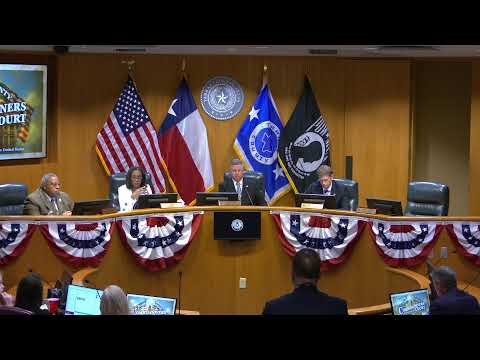
The Tarrant County Commissioners Court approved a series of ceremonial proclamations and recognitions during its June 9 session.
Key items approved included:
- Elder Abuse Awareness Month: The court unanimously proclaimed June 2026 as Elder Abuse Awareness Month, recognizing partners in adult protective services and local nonprofit and county programs focused on elder protection and resources.
- Meals on Wheels milestone: Commissioners congratulated Meals on Wheels of Tarrant County for delivering its 30 millionth meal and praised its 3,300 active volunteers and daily services, unanimously approving a resolution honoring the nonprofit.
- Responsible Fatherhood Month: The court adopted a proclamation recognizing June 2026 as Responsible Fatherhood Month and heard from Hope Farm and Nehemiah Builds about mentoring and after‑school work for fatherless youth.
- National Juneteenth Museum and Freedom Vibes: A resolution honoring Dr. Opal Lee and the founders of the National Juneteenth Museum, describing a planned $70 million investment and the Freedom Vibes festival beginning June 11, passed unanimously.
- PTSD Awareness Month: The court adopted a resolution recognizing June as Post‑Traumatic Stress Disorder Awareness Month with participation from local veteran and first-responder wellness staff.
A separate resolution marking the U.S. 250th anniversary drew two abstentions on language some commissioners found insufficiently inclusive but ultimately passed with the remaining commissioners voting in favor.
Takeaway: While several ceremonial items passed without opposition, the June 9 session highlighted how wording in proclamations—especially those touching on cultural or faith themes—can prompt debate or abstentions even in otherwise routine recognitions. The court routinely used these items to invite community groups and honor local nonprofit achievements.
Next steps: Recipients of proclamations were invited to accept resolutions in the courtroom; staff will file the adopted items with the county record and arrange presentations and outreach tied to each recognition.