Get Full Government Meeting Transcripts, Videos, & Alerts Forever!
Get email alerts on the Public Safety topic
No spam. Unsubscribe anytime.
Council debates public-safety funding: crime lab upgrades, police wellness and firefighters' health measures
Summary
Councilors debated separate public-safety funding proposals: a $500,000 crime-lab equipment request and police wellness funding from Councilor Flynn (both defeated), plus a $200,000 proposal for PFAS-free turnout gear for firefighters (defeated in roll-call). Advocates and councilors urged prioritization of testing capacity and firefighter health.
Several separate public-safety proposals drew extended debate but did not ultimately survive individual roll-call votes during the budget amendment session.
Councilor Ryan Flynn proposed moving $500,000 to Boston Police Department equipment to upgrade DNA testing (including advanced Y‑screening) and speed processing of sexual-assault kits. Flynn argued the investment would modernize the crime lab and meet statutory testing timelines. Opponents repeatedly raised the question of where the money would be pulled from; several councilors opposed taking the funds from neighborhood-facing personnel lines and argued those services would be harmed. The crime-lab equipment amendment failed on the roll call.
Councilor Flynn later offered two related amendments: $500,000 for BPD health and wellness programs and $500,000 for Boston Fire Department mental-health and cancer-screening support. Both were framed as investments in first responders’ safety; both failed to gain a council majority in separate votes. Flynn repeatedly told colleagues that he had identified personnel savings by department as the source for the funds and urged that the council prioritize crime-lab capacity and first-responder health despite political discomfort about selecting which department to cut.
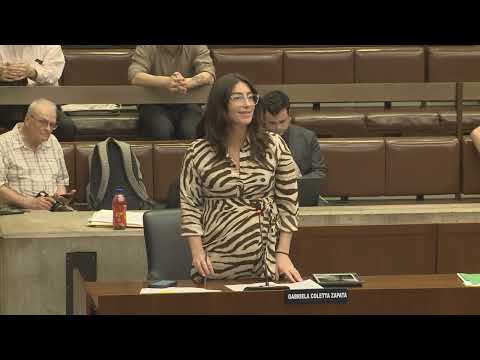
Separately, Councilor Kenzie Culpeper proposed reallocating $200,000 from Boston Transportation Department contractual services to the Boston Fire Department for procurement of PFAS-free turnout gear, citing studies linking PFAS exposure to occupational cancer among firefighters. Supporters called the amendment "common sense" and said a pilot would reduce toxic exposure; the motion did not achieve a majority and failed on roll call.
Throughout the debate, some councilors highlighted private-sector partnerships that reduced immediate funding pressure. For example, Councilor Murphy and others noted a Dana-Farber commitment to support some firefighter cancer-screening needs. Still, councilors pressing for city-funded programs argued the city should not rely solely on private contributions for occupational-health services.
Record of outcomes: key public-safety-focused amendments proposed on the floor were defeated in individual roll calls; the final consolidated budget did include other public-safety and health restorations championed by different sponsors, but the specific equipment and wellness proposals described above did not pass as standalone floor amendments.
The council’s transcript shows several direct quotes from proponents and opponents; the debate centered on two linked choices: whether to prioritize immediate investment in testing and first-responder health, and which department budgets constitute appropriate sources for new spending. The votes show the council was divided on how to make those tradeoffs during a constrained budget year.