Get Full Government Meeting Transcripts, Videos, & Alerts Forever!
Get email alerts on the Transit topic
No spam. Unsubscribe anytime.
Watertown Commission on Aging told new bus funding delayed; dial‑a‑ride service, counts discussed
Summary
At its May 21 meeting the Watertown Commission on Aging heard that funding for a new 5310 vehicle has been delayed with no firm delivery date; members also questioned how ridership is counted and confirmed the dial‑a‑ride fare is $3 one way.
The Watertown Commission on Aging was told on May 21 that funding for a new vehicle intended to expand local senior and disabled transportation has been delayed, and members raised questions about how state 5310 ridership data are compiled.
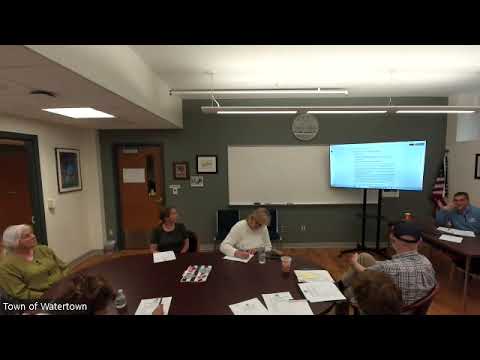
Melanie Flaherty, chair of the Watertown Commission on Aging, called the meeting to order and introduced members before the discussion of transit funding. Michael (first name only in the record) said the grant-funded bus order has been delayed and that, while he could not provide a firm timeline, “we would receive the bus ... maybe between July and November,” though he emphasized that date was not certain.
Michael told the commission that the way 5310 reports separate columns for “seniors” (age 65 and over) and “disabled” (ages 18–64) can result in apparent double‑counting when the two columns are summed in a summary line. He said the report’s layout could inflate counts because some disabled riders are also seniors and thus appear in the senior column. Commissioners pressed for clearer reporting so the town can track actual use.
On service details, Michael said the dial‑a‑ride recertification was returned in March and the service currently operates on Tuesdays; he reported the fare as $3 one way. He said staffing includes three regular drivers and occasional fill‑ins to meet demand and that the proposed new vehicle’s design may not require a commercial driver’s license.
Members also discussed locating historical maintenance records for the bus fleet; one commissioner asked staff to find maintenance reports previously requested so the commission can track mechanical service and replacements.
Why it matters: The commission allocates local resources and advises on transit services that directly affect older residents’ access to medical appointments and community activities. Clear ridership figures and predictable vehicle delivery timelines are important for budgeting and for meeting demand.
What’s next: Michael said he will follow up with more precise timing for the bus delivery and with clearer explanations of the 5310 report columns. The commission did not take a formal vote on transit actions during the meeting.