Get Full Government Meeting Transcripts, Videos, & Alerts Forever!
Get email alerts on the Detention Oversight topic
No spam. Unsubscribe anytime.
Residents urge greater oversight of county’s GEO/ICE contract, allege medical neglect at detention center
Summary
Dozens of residents used the public comment period to press Clearfield County commissioners for greater oversight of the county’s contract with GEO/ICE and to relay first‑hand and second‑hand accounts of alleged medical neglect and mistreatment at the local processing center.
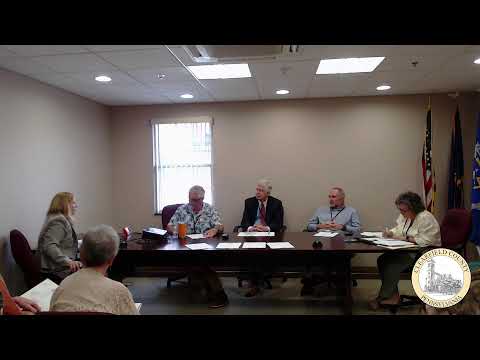
Speakers during an extended public comment period at the Clearfield County commissioners’ meeting on June 9 urged the board to increase oversight of the county’s contract with GEO Group and U.S. Immigration and Customs Enforcement and described alleged mistreatment of people held at the facility residents variously called the Moshannon/Moshan Valley Processing Center.
The public comment portion opened after commissioners said a written public comment policy is in development and that, for now, they will follow statute and allot a 20‑minute window, giving preference to county taxpayers and residents. Several speakers criticized that preference as too narrow and said it would exclude people who nonetheless contribute to the county economically.
Rick Matter, who identified himself as a taxpayer, said the proposed preference for resident speakers was “illogical and common sense‑defying,” adding that many people who use county services or pay taxes while traveling through the county could be excluded. Sher Sheets, a Clearfield resident and hospice chaplain, directly criticized what she called a solicitor‑implemented policy change and named Tim Winters as having orchestrated the change; she urged him to “do better or resign” and detailed allegations that detainees have been denied medical care and that conditions at the facility were inhumane.
Other residents read or summarized first‑person accounts from people detained at the facility. Kaylee McLaclin read a statement from a detainee who said he had been stabbed and then left without timely care; Bobby Ericson and others read multiple accounts alleging long waits for emergency treatment, solitary confinement on cold floors, and deportations that placed people in dangerous situations. Multiple speakers emphasized that many detained people they referenced had no criminal records and were pursuing immigration processes.
Elizabeth Chittister framed the legal status of detainees as civil rather than criminal detainment and argued that the distinction matters for oversight and treatment. Kelly Kennedy asked commissioners to provide data at a future meeting on the percentage of detainees with criminal convictions versus those in immigration proceedings.
Speakers used strong language to press the board — calling the facility a “concentration camp” and urging the commissioners to demand transparency from GEO and ICE and to review the county’s contract. Commissioners closed the public comment period slightly after the allotted time and moved on to the regular agenda.
The meeting record shows extensive public concern but does not include any formal board action during the meeting to change the county’s contract or to direct staff to take a specific oversight step. Commissioners had earlier said a formal written public comment policy would be developed and brought back for vote; no disciplinary or contract‑termination motions were recorded on June 9.