Get Full Government Meeting Transcripts, Videos, & Alerts Forever!
Get email alerts on the Capital Improvement Plan topic
No spam. Unsubscribe anytime.
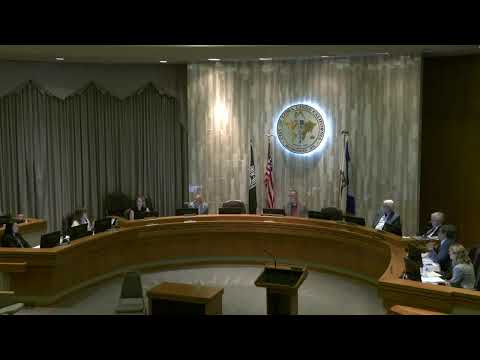
Loma Linda City Council adopts five‑year capital improvement plan, adds backup generators to water projects
Summary
The council approved a five‑year capital improvement plan for 2026–27 through 2030–31 and amended it to include planning and funding for large backup generators for well sites after members flagged emergency‑power risks following a recent earthquake.
The Loma Linda City Council on June 9 adopted a five‑year capital improvement plan (CIP) for fiscal years 2026–27 through 2030–31 and directed staff to amend the program to include planning and staged funding for backup generators at key water facilities.
City staff presented the CIP as a planning tool covering seven categories — fleet, general buildings, parks and recreation, sewer, storm drain, streets and street lights, and water — and described likely funding sources including development impact fees, the water fund, Measure I sales tax, grants and county contributions. Staff said routine items in the plan include vehicle replacements, park improvements such as two additional pickleball courts at Leonard Bailey Park, rubberized playground surfaces, pavement rehabilitation projects, and continued water‑main replacements. The report also noted completion of a recently built 1.6‑million‑gallon water tank and planned pipeline and meter upgrades funded from development impact and enterprise funds.
Council discussion focused on the limited availability of restricted funding and emergency preparedness. Several council members and the mayor pressed staff on whether restricted pots (for example, the art and public places fund) could be repurposed for maintenance; staff responded that those funds are legally restricted to their defined uses but that an overhead allowance (about 19.5 percent) is charged to cover project management and that some transfers into the general fund are routine for project administration. Council members repeatedly raised concerns about backup power for wells and water facilities, citing the city's exposure to earthquakes and recent outages.
Dr. Spencer urged the council to prioritize generators, saying it was "an important one to to look at for the future." Councilmembers moved to adopt council bill R‑2026‑27 and to amend the CIP to capture costs for the large generators and to begin setting aside money in future budget cycles. The clerk recorded the motion as carried.
The CIP adoption is a planning step rather than a guarantee of construction in any particular year; staff said many items depend on future grant awards, contractor availability and annual budget decisions. Councilmembers and several public commenters encouraged clearer public communication about restricted funds and the city's plan to balance maintenance needs with visible investments like public art.
What comes next: staff will return with budget committee recommendations and planned phasing for generator hookups and purchases, and the council scheduled follow‑up budget work as projects are refined.