Get Full Government Meeting Transcripts, Videos, & Alerts Forever!
Get email alerts on the Homelessness Shelter Programs topic
No spam. Unsubscribe anytime.
Chandler officials outline Operation Open Door shelter results, seek motel agreement amendments
Summary
At a June 8 study session, city staff asked council to approve amendments to agreements with the Redwood Motel and Metro Zona Hotel to continue Operation Open Door non‑congregate shelter rooms and described program outcomes: 22,684 safe bed nights, a 96% positive exit rate, and increased share of child clients.
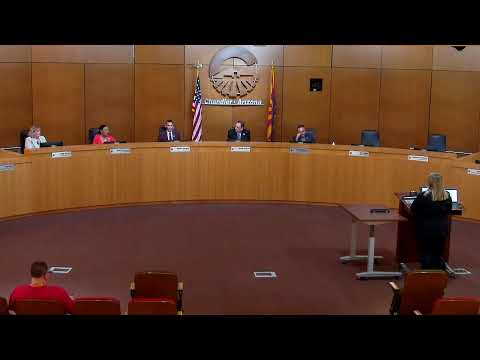
Chandler staff on June 8 asked the City Council during a study session to approve amendments to agreements with the Redwood Motel and Metro Zona Hotel so the Operation Open Door non‑congregate shelter can continue providing emergency rooms and housing stability services in the coming fiscal year. The presentation was informational; the council will vote on the item at its Thursday meeting.
The presenter, Misty (a city staff member assigned to the housing navigation/stability effort), told council the program provided 22,684 safe bed nights last fiscal year and reported a 96% positive exit rate, meaning most clients left the program to a positive housing destination. Misty said the program served 182 households — 353 unique individuals — and that children under 17 comprised 38% of clients last fiscal year and have risen to 43% so far this fiscal year.
"Every one of those bed nights represent a night where a child, a senior, a veteran, or otherwise vulnerable adult did not experience homelessness in the streets of Chandler," Misty said, describing the program's role in preventing unsheltered homelessness.
Misty described operational pressures: the emergency family shelter wait list in Maricopa County is about 14–16 weeks, leaving families without immediate shelter while waiting for a county call. She also noted 18% of clients served were 55 or older and that the city’s program design allows stays up to 90 days; the average length of stay reported last fiscal year was about 80 days.
Council Member Ellis asked how the program’s wraparound services work and emphasized the council’s interest in connecting clients to lasting supports. Misty said intake includes an individualized case plan from the navigation team and the housing stability team, with help applying for state benefits, employment supports, budgeting, summer enrichment enrollment for children, and move‑in kits and furniture when clients transition to housing. Misty added the city follows up for up to 90 days after exit to provide stabilization services.
Misty also said the program partners with local nonprofits and businesses, naming Ascend, the Boys and Girls Club and local employers where clients have been hired, and described referrals to Save the Family for rapid‑rehousing vouchers in individual cases.
The presentation included a success story of a Chandler family who lost employment and housing, entered Operation Open Door, received case management and employment assistance, moved into an apartment with a rapid‑rehousing voucher and continued wraparound services, and remained stable thereafter.
The council did not vote on the agreement amendments during the study session. The mayor noted the item was "called in" for explanation and will be on the Thursday meeting agenda for a formal vote on the motel agreement amendments and other items including the budget.