Get Full Government Meeting Transcripts, Videos, & Alerts Forever!
Get email alerts on the Behavioral Health topic
No spam. Unsubscribe anytime.
County hears Trillium update; school-based behavioral-health program logged nearly 1,700 visits in first year
Summary
Trillium Health Resources briefed the board on managed-care consolidation and regional caseloads; Dare County staff reported the school-based behavioral-health program provided about 1,684 student visits through May and generated unexpected billing revenue enabling potential expansion.
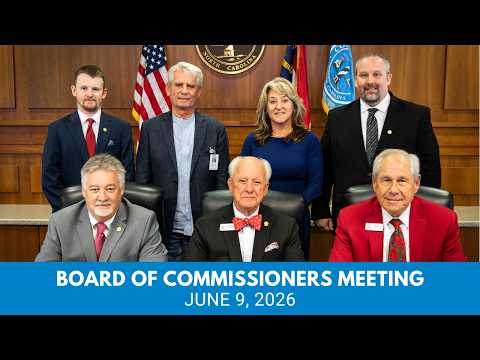
Trillium Health Resources regional vice president Dave Peterson updated the Dare County Board of Commissioners on June 9 about regional behavioral-health management changes and local service volume, and county staff outlined rapid early results from a newly launched school-based behavioral-health program.
"These are individuals that are in psychiatric hospitals. These are individuals, some of them unfortunately may live under bridges," Dave Peterson said as he described the very high-need population Trillium now focuses on after statewide managed-care consolidation. Peterson told the board that Trillium now covers 46 counties and that his agency served 103,556 individuals across its network in the most recent fiscal year, and he described changes such as foster-care management moving to a single statewide plan.
Separately, Health and Human Services staff reported on a county-funded school-based behavioral-health initiative that launched with the 2025–26 school year in partnership with Dare County Schools. Sheila (Health & Human Services) said four clinicians — a mix of county staff and contracted providers — have been embedded across schools and by the end of May had provided about 1,684 clinic visits with students during the first school year.
"For this school year there were just under 1,700 visits for students between these four providers," Sheila told commissioners, and staff noted average monthly caseloads roughly 42 at elementary, 22 at middle, and 20 at high school levels. The program also billed third-party payers and, according to staff, generated over $100,000 in revenue against a conservative budget estimate of about $40,000 for billing. Health and Human Services asked the board to consider funding at least one additional full-time position next fiscal year to expand capacity.
Commissioners pressed staff on how much unmet need remained and whether the county could hire additional clinicians given regional workforce constraints and local housing pressures. Staff said some students were redirected to outside providers when the new program was at capacity and that expanding the program will likely be phased as hiring and billing capacity allow.
Peterson, who told the board he is retiring, thanked local partners and urged work to expand early-intervention services. Both presentations underscored the county’s efforts to expand access to behavioral-health care while grappling with statewide payer changes and local workforce and capacity limits.