Get Full Government Meeting Transcripts, Videos, & Alerts Forever!
Get email alerts on the Education Interventions topic
No spam. Unsubscribe anytime.
Middle-school teachers report measurable gains after switching to daily 50‑minute Title I interventions
Summary
Laurel middle-school Title I teachers told the board their shift from short intervention blocks to daily 50‑minute intervention classes coincided with measurable gains on FastBridge and state assessments, though some state 'anchor' scores were not yet available and turnover and late start dates complicated the data.
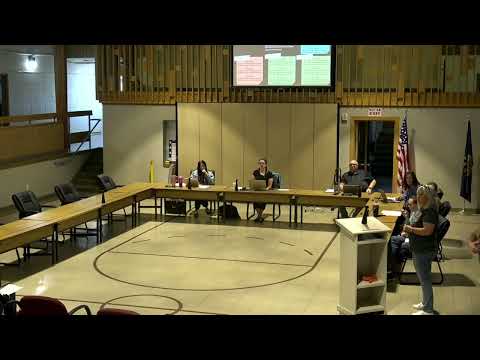
Elise Olsson and Valerie Nom told the Laurel School District Board that changing the middle-school intervention schedule to daily 50‑minute classes produced measurable benefits for students this year. The presenters, who coordinate Title I interventions and building testing, described improvements on FastBridge and the state assessment program and outlined how the school places students in retach/pre‑teach groups and individual interventions.
"We saw significant improvement in our kids this year," said Elise Olsson, the Title I teacher who also coordinates testing, noting cohort growth and the district's use of multiple screeners. The presentation highlighted cohort-level gains: Olsson and Nom reported positive-growth percentages across grades (for example, seventh-grade ELA and math increases were among the largest they presented) and described how students who entered interventions later often still progressed out of the program by year-end.
Presenters emphasized the mix of assessments used: FastBridge (three windows across the year) for progress monitoring, the statewide MAST (computer‑based, multiple windows) and Dynamic Learning Maps (DLM) for students with significant cognitive disabilities. They cautioned that some official end‑of‑year 'anchor' results were not yet available from the state, which limited direct comparisons to prior years. "We don't have the anchor test results yet," Olsson said; district staff said those results were still pending from the state.
Board members and staff pressed for context. Administrators and teachers said new math curriculum adoption and teacher turnover — including a midyear teacher change in one grade — affected some test windows, and a later district start date meant other districts had additional instruction before the October test window opened. "Sometimes students were tested on content they hadn't yet been taught," one presenter said, explaining lower scores in some math measures.
The presentation also covered special‑education accommodations: DLM testing is administered one‑on‑one and customized for students with the most significant cognitive needs, which increases testing time but provides a measure aligned to those learners. Teachers reported that students who participate in intervention classes show more willingness to speak up in class and that some students who learned in intervention later taught back to their peers.
District staff said they will continue to track interventions and progress-monitoring, aim for an 85% target for students demonstrating growth, and present additional anchor‑test data once it is released by the state. Administrators also said they will refine placement and monitoring practices and return with supplemental data for the board to review.