Get Full Government Meeting Transcripts, Videos, & Alerts Forever!
Get email alerts on the Data Centers topic
No spam. Unsubscribe anytime.
Stow commissioners review draft data-center rules amid concerns over water, power and noise
Summary
At its June 10 meeting the Stow Environmental Commission reviewed draft standards for siting and operating data centers after a new member raised concerns about large facilities' water consumption, power needs and noise; staff detailed setbacks, water‑use disclosures and noise limits and said the Planning Commission will consider the draft June 23.
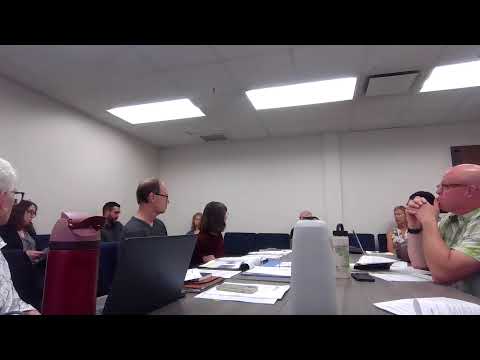
The Stow Environmental Commission on June 10 reviewed draft standards intended to limit local impacts from data centers after Rick Charles, a new commission member pending formal swearing‑in, urged caution over water, power and noise demands.
Charles, who said he has industry experience and has researched data-center impacts, warned commissioners that large facilities can demand substantial water and power and that communities should consider limits or stricter conditions before projects proceed. "An average data center can use about a million gallons a day," Charles said, citing news reports and conversations with a civil engineer; he said that level of use could place significant strain on Stow's water infrastructure and called for baseline sampling and stricter permitting requirements.
Zack, planning staff, summarized provisions in a draft staff report and supplemental standards that applicants would face. The draft sets a minimum 75‑foot setback from property lines adjacent to residential uses; would require applicants to demonstrate sufficient utility capacity and coordination with providers; and asks for disclosure of daily water use and estimated annual consumption. The draft also encourages water‑efficient cooling systems, use of nonpotable or recycled water where feasible, and reserves the right to require further studies showing compliance with state and federal codes.
Staff also described proposed noise and air‑quality safeguards: backup generator noise capped at 65 dBA at property lines in nonresidential districts and 55 dBA where adjacent to residences, an option to require a noise study, a prohibition on diesel backup generators and required air‑quality impact assessments covering onsite generator emissions and thermal/waste‑heat management. Staff said the draft gives the city additional authority to deny projects that would create unacceptable air emissions, excessive water use, noise, or waste impacts.
Commission members discussed whether Stow currently has the electrical capacity to host a large data center and noted likely siting in the city's limited industrial parcels in the northwest corner near the Broadway/Seasons Road corridor. Members raised groundwater and stormwater concerns, including whether a facility could drill private wells and potential constraints under Ohio EPA MS4 permit rules for nonstorm discharges; staff suggested follow up with utility and regulatory contacts, including "Mike Jones."
Next steps: staff said the draft standards will go to the Planning Commission on June 23. The Environmental Commission agreed to review the item again at its July meeting and may send comments or a formal recommendation to City Council. The commission also noted that Rick Charles will be sworn in by the mayor in the coming days and may continue to participate in discussions until then.