Get Full Government Meeting Transcripts, Videos, & Alerts Forever!
Get email alerts on the Data Centers topic
No spam. Unsubscribe anytime.
Coffee County approves one-year moratorium on data centers after residents voice water and infrastructure concerns
Summary
After extensive public comment citing water use, infrastructure costs and environmental risks, the Coffee County Commission approved a one-year moratorium on data centers by voice vote, following a unanimous positive recommendation from the regional planning commission.
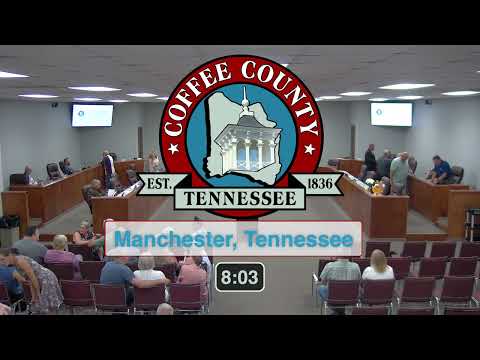
The Coffee County Commission voted to place a one-year moratorium on data centers in the county, approving Resolution 2026-12 by voice vote (13 yes).
The resolution, which came to the commission with a unanimous positive recommendation from the Coffee County Regional Planning Commission, drew several public comments urging caution. "I would like to see the same thing with solar farms because we've seen some negative impacts already," said Moren Burke, who told the commission she supported a moratorium to study local effects. Steven Arnold, a rural resident since 1999, told commissioners that some data centers ‘‘are still building water‑guzzling systems’’ and urged the commission to evaluate water‑use, pollutant concentrations in closed‑loop systems and long‑term expansion plans.
Other residents raised related concerns. Dana Nicoli said she opposed AI/data centers ‘‘in our environment, period,’’ citing problems she described from neighboring states and the potential for harm to local waterways and wildlife. Marty Cheryl warned that new facilities could shift infrastructure and water costs to residents. Commissioner Jones thanked residents for bringing concerns forward, saying commissioners had “wide open ears.”
The moratorium will pause approvals for new data‑center development for one year while staff and planners study the potential impacts and, as the planning commission recommended, consider whether regulatory adjustments are needed. The resolution text presented at the meeting did not specify follow‑up deadlines or required staff reports; commissioners did not set a date for return of a staff recommendation during the session.
The moratorium vote followed a public comment period during which multiple speakers pressed the commission to weigh water resources, infrastructure capacity and long‑term community impacts. The commission passed the moratorium 13–0 in the meeting record.