Get Full Government Meeting Transcripts, Videos, & Alerts Forever!
Get email alerts on the Operating Levy topic
No spam. Unsubscribe anytime.
Canfield board leans toward November vote on roughly 5.9‑mill operating levy after lengthy debate
Summary
After more than an hour of discussion, Canfield Local Board of Education trustees signaled support for placing an operating levy on the November 2026 ballot and discussed asking voters for roughly 5.5–5.9 mills to preserve staffing and fund building maintenance.
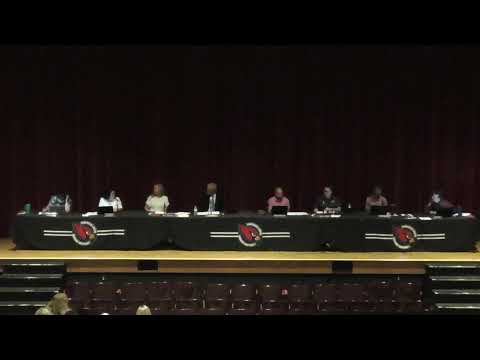
The Canfield Local Board of Education moved toward placing an operating levy on the November 2026 ballot, with trustees coalescing around a proposal in the mid‑5‑mill range after an extended public and board discussion on June 10.
Board members and administrators spent much of the meeting weighing November versus May timing, projected dollar impacts and the likely consequences for staff and programs if new revenue is not secured. "I firmly believe we need to go in November," said a district administrator who urged the board to give voters a choice sooner rather than later.
Treasurer Mr. Marco gave the board a fiscal framing: "Five mills would be approximately $175 annually for a $100,000 home," he said, noting that a passage in November would begin bringing revenue to the district sooner than a May ballot (which staff said could delay receipts by roughly 18–19 months). The treasurer said a five‑mill levy would stabilize the district’s near‑term forecast; trustees discussed asking for additional fractional mills (board members discussed 5.5–5.9 mills) to create room for urgent maintenance and preservation of programming.
Trustees expressed competing priorities. Several said they favored more time for levy committee outreach and voter education before asking for new money; others said delaying the vote risks deeper cuts and greater instability in the 2027–28 school year. One trustee urged the community be told, in general terms, what cuts would be required if voters reject the levy: "People need to understand what's at stake," that trustee said.
Board members described the district’s recent approach to cost control: officials reported roughly $4 million in savings since 2020 from attrition and not filling some positions, but cautioned that most meaningful savings going forward would require staff reductions. Administrators told the board that without new operating revenue the district would likely need to enact more significant staffing cuts for the 2027–28 school year.
Multiple trustees said they favored a larger ask now to avoid returning frequently to voters. One board member argued the community could more readily accept a 5.9‑mill ask that preserves programs and funds needed maintenance rather than a smaller request that would quickly leave the district back in deficit spending.
Next steps: the board asked administrators and its attorney to prepare resolution language and to consult the county auditor about timing and procedural requirements. Board members said a first resolution and attorney review will be needed before formal placement on the ballot; state law and local deadlines will govern the precise schedule. The levy discussion will continue at upcoming meetings and at a special June 30 appropriations meeting already scheduled by the board.
What remains unresolved is the final millage and the board’s formal vote to submit a levy question to the county auditor. Trustees said they will provide general guidance to the levy committee and requested that administrators prepare general statements about potential cuts that would be required if voters do not approve new operating revenue.