Get Full Government Meeting Transcripts, Videos, & Alerts Forever!
Get email alerts on the Behavioral Health topic
No spam. Unsubscribe anytime.
Behavioral health center must shift funding model; county plans expanded services and housing supports
Summary
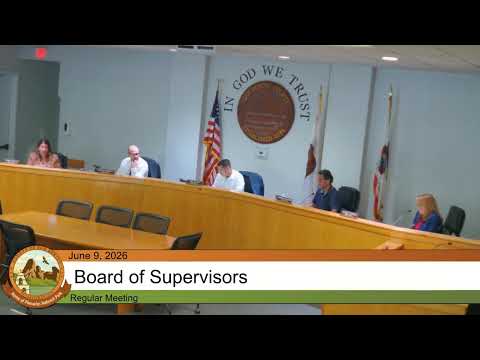
San Benito County Behavioral Health officials told supervisors that new state funding rules require the Esparanza Wellness Center to bill programs rather than receive straight facility funding. The county plans to expand outpatient hours, house housing‑navigation and forensic teams at Esparanza, and pursue outreach to increase use.
San Benito County behavioral health staff presented a programmatic rethink for the Esparanza Wellness Center after state rule changes tied to Proposition 1 (the Behavioral Health Services Act) changed how counties may use Mental Health Services Act (MHSA) dollars.
Under the new rules, MHSA funding can no longer be used simply to fund a standalone facility; instead, county staff must place services into a program model and bill those programs. The Esparanza Center — a long-standing drop-in and peer‑support hub — must therefore be restructured so staffed programs (therapy, court‑linked forensic services, housing navigation) are the county’s primary funding vehicles rather than an unfunded facility line.
Behavioral Health leadership told the board the county will house two program units at Esparanza beginning July 1: a forensic team that supports collaborative courts (mental‑health, drug court and Proposition 36 cases) and a housing team to implement the new state housing initiative (navigators, rental assistance coordination and housing placement supports). Staff estimate the facility’s rent and operational costs are roughly $123,000 per year (rent plus utilities), and said program income and MHSA‑billable services will be used to cover those costs under the new model.
County staff also plan to expand Esparanza’s hours and youth/transitional‑age programming after a recent survey of young people showed demand for an accessible, downtown youth center with drop‑in, after‑school and wellness offerings. Average daily center attendance has been modest in recent years — staff estimated roughly 10–12 participants on a typical program day — and officials said repackaging the center as a program hub should increase utilization and justify program billing.
Supervisors asked about transportation and co‑location opportunities with other county services; staff said Esparanza is on existing local bus routes and the team will coordinate dial‑a‑ride options as needed. The board received the update as informational; no substantive policy vote was taken.
What happens next: behavioral health staff will finalize the program budget and the county’s MHSA plan update, bring the funding application to the board for approval and begin outreach to expand youth and housing services at the Esparanza center.