Get Full Government Meeting Transcripts, Videos, & Alerts Forever!
Get email alerts on the K 12 Budget topic
No spam. Unsubscribe anytime.
South Country Central School District presents tax-cap budget with $18.50 monthly average; administrators warn contingency would be 'catastrophic'
Summary
District officials presented a $144.8 million 2026–27 budget that they say balances instruction and fiscal recovery (average homeowner impact about $18.50/month). The plan cuts about $5.6 million since May to reach the tax cap; contingency would require another $4 million in cuts, raise class sizes and eliminate many extracurriculars and staff positions.
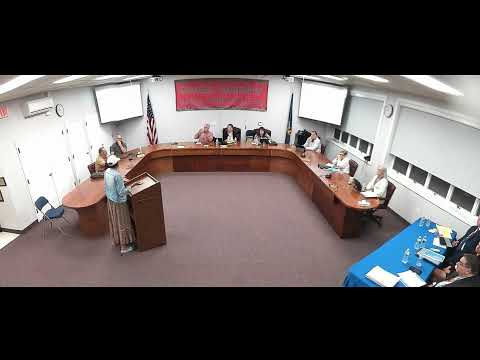
Board President called the June 9 budget hearing to order and administrators delivered a detailed presentation of the proposed 2026–27 spending plan for the South Country Central School District.
The proposal totals $144.8 million, generating a tax levy of $75.4 million and an estimated average homeowner cost of about $18.50 per month, the presentation said. District leaders said the revised plan incorporates $5.6 million in reductions since the May vote failure and uses a portion of reserves to balance the year; they recommended the board put the plan before voters on June 16.
"We have two pathways to recovery," the presentation said: the proposed, tax-cap budget that administrators described as "balanced and responsible," and a contingency path that would require state-guided cuts. Officials said contingency would require roughly $4 million more in reductions and would subject the district to stricter state oversight. "Catastrophic" was the word one presenter used to characterize the contingency outcome.
Administrators described how the proposal preserves core instructional programs while trimming administrative, capital and program lines. Highlights the presentation called out included a $530,000 reduction in security staffing by aligning overtime and essential posts; $270,000 in capital cuts focused on deferrable facility projects (while preserving health-and-safety work); and program-level savings across co-curriculars, electives and technology offerings.
Transportation savings from a May referendum that reduced private-school eligibility from 25 miles to 15 miles were estimated at about $900,000 and were counted among the revenue-side improvements the district said helped avert deeper cuts.
On state aid and reserves, officials displayed a state-aid worksheet and said state aid was down about $564,000 year-over-year; the budget proposal also assumes applying part of reserve balances to fund the year. Presenters emphasized the proposed 26–27 budget is built on what they called "actual operating cost and current staffing levels," saying some prior-year budgets were underestimated and that the district must return to transparent, quarterly reporting to its oversight authorities.
The presentation outlined program impacts under the two scenarios. In the proposed plan, officials said they could preserve varsity and middle-school athletics, maintain essential transportation and sustain many elective offerings through measures such as co-seeding classes (teaching two small sections together). Under contingency, they said the district would likely eliminate all after-school activities, late buses and potentially all athletics (junior varsity, middle school and varsity). Technology replacements (for example, Chromebook renewals for ninth graders) would be curtailed under contingency, administrators said.
Elementary and secondary class-size projections were a focal point. Presenters displayed charts showing proposed elementary average class sizes between about 18 and 25, while contingency averages would range roughly 24–30. Middle and high school average class sizes would also rise substantially under contingency (examples cited: proposed averages in the mid-to-high 20s vs. contingency averages that could approach the low-to-mid 30s).
Staffing figures in the presentation showed proposed reductions totaling 94.5 positions (about 95 people), reflecting retirements, attrition and eliminations; administrators warned contingency could add another 29 positions to the reductions for a combined loss of about 123.5 positions (approximately 124 people). The presenters highlighted that the proposed reductions include 10 administrative positions—about 43% of the administrative team as currently constituted.
Officials also addressed borrowing and market consequences: following earlier budget turmoil the district's credit rating was cited as having dropped to A+ with a "credit watch negative" designation, and officials warned a contingency outcome could prompt further downgrades and higher borrowing costs that would siphon budget capacity for debt service.
Administration's closing message urged voters to approve the tax-cap budget to preserve programs and avoid multi-year recovery under contingency. Several board members followed with detailed questions about program costs, contractual obligations for staff who are excessed, and whether positions could be restored in future budgets if revenues permit.
The board's public comment period that followed included many teachers and parents who criticized the timing and communication surrounding staff excess notices and urged the board to seek alternatives that would avoid displacing experienced educators.
Next steps: the district will publish the legally required six-day budget notice and proceed to the budget vote on June 16; administrators said they will continue to model program-level adjustments after the community vote.