Get Full Government Meeting Transcripts, Videos, & Alerts Forever!
Get email alerts on the Budget Salaries topic
No spam. Unsubscribe anytime.
Waynesville council continues FY27 budget, asks staff to study living‑wage tradeoffs
Summary
Council directed staff to refine the FY27 budget after a staff briefing showing a broad living‑wage increase could cost roughly $1.8 million; members asked for options on benefits vs. base pay and cuts in utilities and public‑works lines.
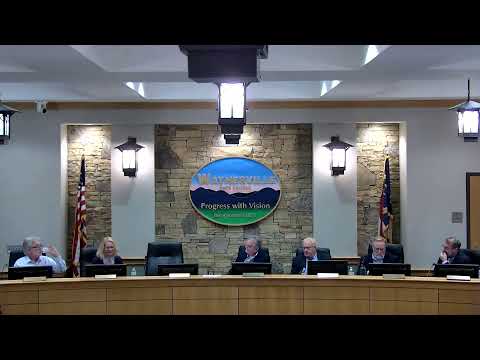
The Waynesville Town Council continued work on the fiscal year 2027 budget on June 9 after a staff presentation detailed the potential cost of raising entry wages to a commonly used living‑wage benchmark.
Human resources/finance staff member Paige told the council she had begun calculations and that applying a living‑wage benchmark would increase pay across affected grades; in her sample, raising entry pay consistently would have an estimated fiscal impact of about $1.8 million and would directly affect roughly 63 positions included in the calculation. Paige cited the MIT Living Wage calculator’s figure for the county — $45,635 per year for one adult with no children — and emphasized the MIT calculator excludes employer‑paid benefits such as retirement and employer healthcare premiums.
Council members discussed two central tradeoffs: giving workers more take‑home pay versus preserving an attractive employer benefits package (retirement contributions and health coverage). Council members noted the town currently contributes to retirement programs (including a mandatory employee contribution) and makes employer contributions that staff estimate amount to a significant percentage of total compensation. Several councilors argued the town’s benefits draw employees, while others said immediate cash‑flow pressures and recruitment out to higher base‑pay employers suggest reconsidering the balance between pay and benefits.
No final vote was taken on salary changes. Instead, the council asked staff to produce further analysis and two budget scenarios: one reflecting the previously proposed sales‑tax increase and a second using a 3% sales‑tax assumption. Council also directed staff to pursue additional cuts or efficiencies in water, sewer, downtown and public‑works budgets and to return with revised proposals before June 30.
What happens next: Staff will return with the requested budget scenarios and updated department proposals for council consideration before the fiscal year deadline.