Get Full Government Meeting Transcripts, Videos, & Alerts Forever!
Get email alerts on the Budget topic
No spam. Unsubscribe anytime.
Hemet weighs liability-insurance trade-offs as budget gap narrows; broker offers options
Summary
At a June 9 budget workshop the city reported shrinking an operating deficit to about $4.5 million after cost containment and a SAFER grant extension. Broker Alliant outlined three liability-insurance options ranging from a modest premium rise to more aggressive structures that lower short-term cost but increase multi-year risk exposure.
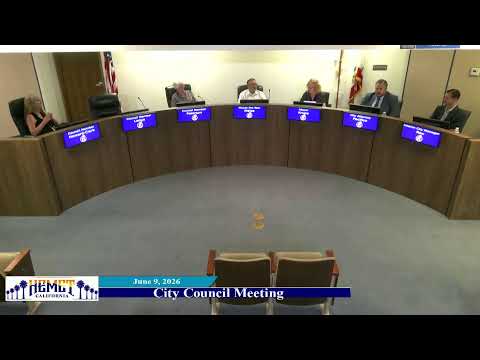
City finance staff and an insurance broker on June 9 walked the Hemet City Council through updated budget projections and several liability-insurance renewal options as the city narrowed an operating deficit.
Accounting manager Kina Beasley said a combination of measures—reezing some positions, extending SAFER grant funding for eight months (about $1.3 million), and targeted reductions had reduced the projected operating deficit from about $7.5 million to roughly $4.5 million. Staff also proposed one-time uses of fund balance for priority items such as vehicle and equipment purchases and building-department conversion of certain contracted services into staff positions.
Robert Low, senior vice president at Alliant, presented renewal options. Option 1 (the staff-recommended baseline) keeps the existing program with a modest premium increase (about 4.5 percent), providing stability without raising the city's self-insured retentions. Option 2 would restructure the program to lower near-term premiums by stretching the law-enforcement layer and could save roughly $945,000, but would cap the aggregate carrier payment over the multi-year term (creating exposure to multiple high losses within the coverage window). Option 3 is an alternative-risk transfer "swing" structure that shifts significant risk back to the city and could require large additional premiums if losses occur.
Low recommended the conservative Option 1 for stability but outlined the trade-offs: option 2 offers larger near-term savings if the city bets on fewer large losses in the covered period; option 3 carries material exposure and was not advised for Hemet given current loss history.
Police leadership and the city attorney discussed recent claims and the city's evolving loss run; the chief and city manager signaled continued risk-control investments. Councilmembers raised the prospect of dedicating some savings to a risk-management hire to monitor liability exposure and training.
Why it matters: Liability insurance premiums and retained risk are major discretionary expenditures in municipal budgets. Choosing a more aggressive placement could save operating costs in the short term but expose taxpayers to higher risk if large claims occur within a limited multi-year window.
Next steps: Staff will return with more detailed costing and options for a risk-manager position and bring a recommended renewal route back to council before finalizing the FY2026-27 budget.